Amara Baby Food Review (2026): Worth the Premium Price?
We bought every Amara flavor we could find and tested them for six weeks with our 8-month-old. Here's the unfiltered verdict on taste, nutrition, convenience, and whether you should spend $2–3 per serving on dried baby food.

Our Testing Setup
Let me be upfront: we didn't receive free product from Amara. We ordered the Variety Pack (14 packets, $34.99) and a separate Stage 2 Tropical Fruits pack (7 packets, $17.49) off Amazon with our own money in late February 2026. Our daughter was just under 8 months old when we started, already eating pureed solids for about six weeks.
Amara's pitch is simple — they take organic fruits and vegetables, dry them using a proprietary nutrient-protection technology at the point of peak ripeness, and package them as shelf-stable powder. You add breast milk, formula, or water at feeding time. The result is supposed to taste and nourish more like fresh food than traditional heat-pasteurized purees in jars or pouches.
Over six weeks, we fed our daughter Amara at least 4–5 times per week alongside her usual rotation of homemade purees and Happy Baby pouches. We tracked which flavors she accepted, rejected, and went back for seconds on. We tasted every flavor ourselves. And we kept a running spreadsheet of per-serving costs because — at this price point — you want to know exactly what you're paying.
What Actually Makes Amara Different
Most commercial baby foods are cooked at extremely high temperatures during pasteurization. That's what gives jarred peas that army-green color and slightly metallic taste. Pouches go through a similar process. The heat kills bacteria, but it also degrades vitamins, dulls flavor, and changes texture.
Amara skips the high-heat step entirely. Their patented drying process removes water from fresh produce at lower temperatures, preserving more of the original nutrients and — critically — the flavor. What you get in the packet is a fine, dry powder that looks a bit like instant oatmeal, just more colorful. The sweet potato powder is genuinely bright orange. The beet one is a deep, almost alarming purple.
The reconstitution step is the big differentiator. You choose what liquid to add, which means:
- Breast milk reconstitution — adds familiar flavor for babies transitioning to solids, plus the nutritional benefits of breast milk. This was a game-changer for our daughter, who was skeptical of plain purees but immediately accepted Amara mixed with expressed milk.
- Formula reconstitution — similarly bridges the taste gap for formula-fed babies. Adds calories and fat, which is useful if your baby isn't eating large volumes of solids yet.
- Water reconstitution — gives you the purest taste of the fruit or vegetable itself. Good for older babies (9+ months) who are comfortable with solids and don't need the flavor bridge.
You also control the texture by adjusting liquid volume. Less liquid gives you a thick, almost mashed consistency. More liquid produces a smooth, spoonable puree. This flexibility is genuinely useful — we made thicker versions as our daughter's eating skills progressed over the testing period.
Flavor-by-Flavor Breakdown
We tried every flavor in the variety pack plus the tropical fruits pack. Here's how each one landed with both our baby and our adult taste buds (yes, we tried them all — someone had to).
Stage 1 — Single Ingredients
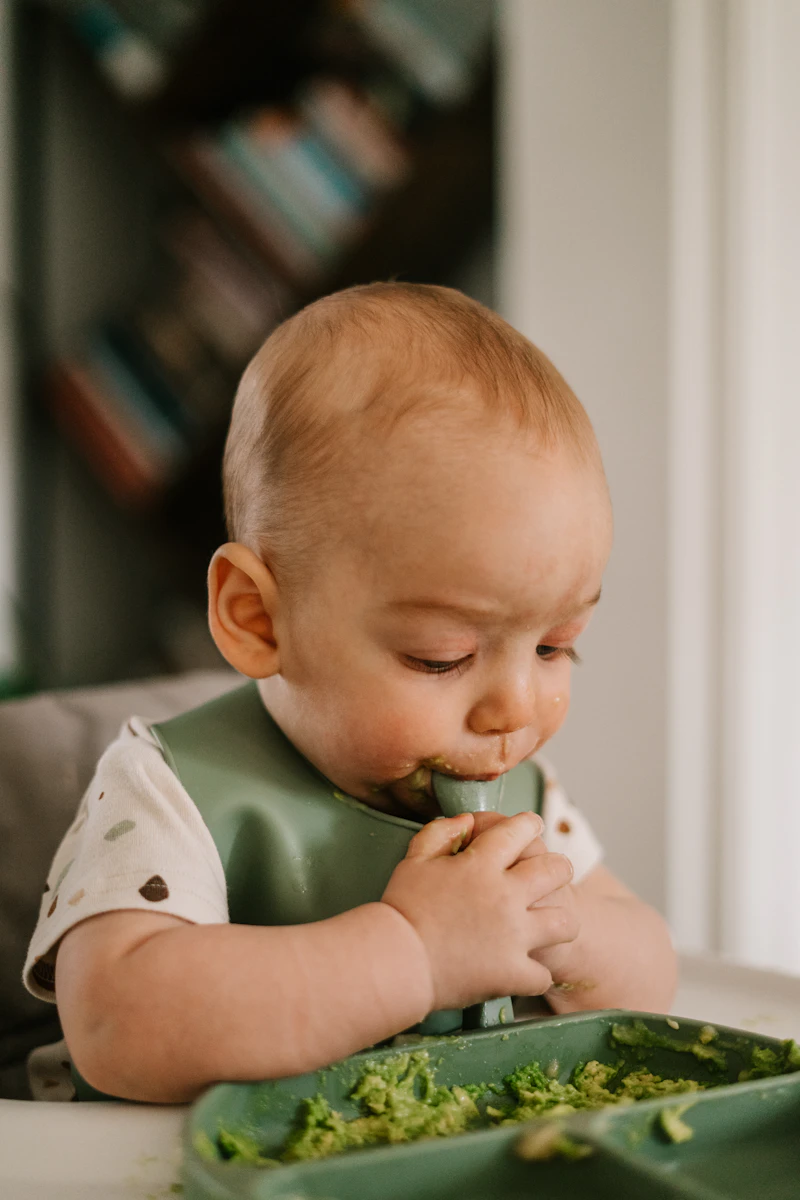
Organic Sweet Potato (9/10): The standout. Reconstituted with breast milk, this tasted almost exactly like baked sweet potato mashed with butter. Our daughter demolished it every single time — she'd lean forward and open her mouth before the spoon reached her. The color stays bright orange, not the muddy brownish-orange you get from jarred sweet potato. This was also the easiest one to get the texture right.
Organic Peas (6/10): This one polarized the household. The flavor is distinctly "pea" in a way that jarred peas are not — almost grassy, very fresh-tasting. Our daughter accepted it about half the time. Mixed with formula, it went over better than with water. If your baby is already a pea fan, they'll like this. If they're on the fence, the strong flavor might push them toward rejection.
Organic Banana (8/10): Smells exactly like dried banana chips. Reconstitutes into a creamy, naturally sweet puree. Our daughter loved it. The only reason it loses a point: banana is an easy win regardless of brand. Even the cheapest jarred banana tastes decent, so the Amara premium feels less justified here.
Organic Carrots (7/10): Sweet, slightly earthy. Better than jarred carrots, but the difference wasn't as dramatic as with the sweet potato. Good mixed into other foods as a base — we sometimes blended two packets together (carrot + apple) for variety.
Stage 2 — Multi-Ingredient Blends
Organic Apple + Mango (9/10): This was neck-and-neck with sweet potato as our daughter's favorite. The mango flavor actually comes through, which it almost never does in pouched baby food. Sweet but not cloying. Mixed with a bit of baby oatmeal, this was basically baby dessert.
Organic Tropical Mango + Pineapple (8/10): Bright, tangy, and genuinely tropical-tasting. This is one of Amara's Stage 2 blends and has a more complex flavor profile than anything from Gerber or Happy Baby. Slight tartness from the pineapple — some babies may not love that. Ours was into it.
Organic Oats + Berries (7/10): Has a porridge-like consistency when mixed thicker, which makes it feel more like a meal than a snack. The berry flavor is subtle — more oat-forward. Fine, not exciting. Would rate higher if the berries punched harder.
Organic Peas + Corn + Carrots (6/10): The "vegetables" blend. This is where the "real food flavor" pitch works against Amara slightly — the pea and corn flavors are strong and compete with each other. Our daughter was lukewarm. Adding formula helped mellow the combination. This is the one flavor we probably wouldn't re-order.
Organic Beets + Potatoes (7/10): Surprisingly pleasant. The beet flavor is earthy but the potato rounds it out. Be warned: the reconstituted food is an intense fuchsia that will stain everything it touches. Use a dark bib.
What We Genuinely Liked (The Pros)
- Taste is noticeably better than pouches. This isn't marketing fluff. Amara sweet potato tastes like sweet potato. Amara mango tastes like mango. Side-by-side with a Happy Baby pouch, the difference is obvious even to an adult palate. Our daughter's acceptance rate for new flavors was higher with Amara than with any other brand we've tried.
- Ingredient lists are absurdly simple. The sweet potato packet contains: organic sweet potatoes. That's it. No citric acid, no ascorbic acid, no "natural flavors," no lemon juice concentrate. Just the food. For parents who read ingredient labels (raises hand), this is refreshing.
- Shelf life is exceptional. Unopened packets last 1–2 years at room temperature. Compare that to pouches (about 1 year) and jars (about 2 years but they're heavier). We kept packets in the pantry, the diaper bag, the car, and the grandparents' house without worrying about refrigeration.
- Travel and on-the-go use is where Amara shines brightest. A pouch is one serving at one consistency. An Amara packet weighs almost nothing, doesn't need to be kept cold, and can be mixed in 30 seconds in any bowl. We flew cross-country with a Ziploc of Amara packets instead of a cooler full of pouches. It was dramatically easier.
- Mixing with breast milk is a legitimate advantage. No other mainstream baby food lets you use breast milk as the base. For babies who are hesitant about solids, this is a bridge that actually works.
- Texture control is real and useful. Being able to adjust thickness means one product grows with your baby. We went from soupy puree at 8 months to thick, almost-mashed consistency at 10 months using the same packets.
- USDA Organic certification and no additives. For parents specifically seeking organic with zero preservatives, Amara checks every box without compromise.
What We Didn't Like (The Cons)
- The price is hard to justify for everyday use. At $2.00–$3.00 per serving, using Amara for 2–3 meals a day would cost $120–$270 per month on baby food alone. Happy Baby pouches run about $1.00–$1.50. Homemade purees cost pennies. We used Amara selectively — travel, busy days, meal variety — rather than as the primary food source, and that felt like the right call financially.
- Preparation is required. It's quick (30 seconds), but it's not zero. You need a bowl, a spoon, and the right liquid. Pouches require literally nothing — squeeze and serve. When you're out at a restaurant with a fussy baby and forgot a bowl, the pouch wins.
- Flavor selection is limited compared to bigger brands. Gerber and Happy Baby have 40+ flavor combinations. Amara has roughly 12–15. You won't find things like chicken and vegetable blends, quinoa combinations, or some of the more adventurous pairings that larger brands offer. For a baby trying lots of new foods, the variety ceiling is low.
- Getting the texture right has a learning curve. Our first few attempts produced food that was either too runny (baby spat it out) or too thick (baby gagged). It took about 4–5 tries to nail the ratio for our daughter. Not a dealbreaker, but worth knowing upfront.
- Availability can be spotty. Amara is available on Amazon and their website, and in some Whole Foods and specialty stores. You won't find it at Target, Walmart, or most regular grocery stores. If you're used to grabbing baby food during your weekly shopping run, Amara requires planning ahead.
- Some flavors are "too real" for babies. The peas flavor, for example, has a strong, grassy taste that adult foodies would appreciate but our baby found off-putting. When baby food preserves the vegetable flavor that faithfully, not every baby is going to be on board.
Price Comparison: Amara vs. Everything Else
We priced out what it actually costs to feed a baby one serving of puree across different options. These are real prices from Amazon, Target, and Whole Foods as of March 2026.
- Amara Organic (variety pack): ~$2.50 per serving. Individual packs run closer to $2.80–$3.00. Subscription pricing on Amazon drops it to about $2.25.
- Once Upon a Farm (organic, cold-pressed pouches): ~$2.50–$3.00 per pouch. Similar price point but requires refrigeration, making it less convenient for storage and travel.
- Serenity Kids (organic, veggie + fat pouches): ~$3.50–$4.00 per pouch. More expensive than Amara, positioned as the most premium option in the market.
- Happy Baby Organics (pouches): ~$1.00–$1.50 per pouch. The "quality for reasonable price" sweet spot for many parents. Widely available.
- Gerber Organic (jars/pouches): ~$0.80–$1.20 per serving. Budget organic option. Acceptable ingredient lists, less complex flavors.
- Store-brand organic (Target Up&Up, Walmart): ~$0.70–$1.00 per serving. Cheapest commercial organic option. Ingredient quality varies.
- Homemade purees: ~$0.25–$0.50 per serving using organic produce. Cheapest by far, but requires time, equipment, and freezer space.
Where does Amara fall? It's in the premium tier alongside Once Upon a Farm and below Serenity Kids. Compared to the mainstream organic brands (Happy Baby, Gerber Organic), Amara costs about 2× more per serving. Compared to homemade, it's about 5–8× more. The question is whether the convenience, shelf stability, and flavor quality justify that delta for your family.
Amara vs. Homemade: An Honest Comparison
We make homemade baby food regularly (steamed, pureed, frozen in silicone trays), so we were curious how Amara stacked up against our own cooking. The comparison isn't as one-sided as you'd expect.
- Taste: Homemade wins, but barely. Fresh-steamed sweet potato mashed with a little breast milk is still the gold standard. Amara reconstituted with breast milk is close — maybe 85–90% of the way there. Both are dramatically better than jarred options.
- Nutrition: Amara claims their drying process preserves more nutrients than high-heat pasteurization, and independent testing supports this for vitamin C and certain B vitamins. Homemade puree eaten immediately after cooking has the most nutrients, but homemade puree that's been frozen for 3 weeks has likely lost some too. Call this one roughly even.
- Convenience: Amara wins decisively. Making a batch of homemade puree takes about 45 minutes (shopping, washing, steaming, pureeing, portioning, freezing). An Amara packet takes 30 seconds. There is no contest here.
- Cost: Homemade wins by a wide margin. One organic sweet potato ($2) yields 8–10 servings. One Amara sweet potato packet ($2.50) is one serving.
- Shelf life: Amara wins. Packets last 1–2 years unopened at room temperature. Homemade frozen puree should be used within 1–3 months for best quality.
- Variety: Homemade wins. You can puree literally anything. Amara has 12–15 flavors.
Our take: the two aren't competitors so much as complements. We batch-cook homemade purees on Sundays for the week and keep Amara on hand for travel, daycare, last-minute meals, and introducing new flavor profiles we haven't gotten around to making at home.
Who Should Buy Amara (And Who Shouldn't)
After six weeks of daily use, we have a clear picture of which families will get the most value from Amara and which would be better off spending their money elsewhere.
Amara is a great fit if you:
- Travel frequently with your baby. The lightweight, shelf-stable packets are genuinely easier than hauling pouches or jars through airports. This alone sold us on keeping Amara in the rotation.
- Want to mix solids with breast milk or formula to ease the transition. No other commercial brand offers this capability as seamlessly.
- Prioritize ingredient purity above everything else. If seeing "organic sweet potatoes" as the entire ingredient list matters to you, Amara delivers.
- Have a baby who rejects pouched or jarred baby food. The fresher flavor profile might win over a picky early eater. It worked for our daughter with certain vegetables.
- Want backup pantry food that doesn't expire quickly. Amara packets are perfect "emergency" baby food that lasts in your pantry for over a year.
Amara is probably not worth it if you:
- Are on a tight baby food budget. At $2.50+/serving, daily use gets expensive fast. Homemade or budget organic pouches are dramatically cheaper.
- Want maximum flavor variety. With only 12–15 options, you'll cycle through the lineup quickly. Bigger brands offer 3–4× the selection.
- Prefer zero-prep feeding. Pouches require literally no preparation. If that grab-and-go convenience is paramount (and it's a valid priority), Amara adds an unnecessary step.
- Have a baby who happily eats whatever you put in front of them. If your baby isn't picky about flavor quality, the Amara taste advantage won't matter as much.
Tips From Six Weeks of Daily Use
A few practical things we learned that Amara's marketing doesn't mention:
- Start with fruit flavors. Babies have a natural preference for sweetness. The sweet potato, banana, and apple-mango are the highest-acceptance flavors. Save the peas and veggie blends until your baby is more comfortable with the format.
- Use warm liquid for better mixing. Room-temperature or slightly warm breast milk/formula dissolves the powder more easily than cold. Cold liquid can leave small clumps that some babies dislike.
- Don't microwave after mixing. If you mixed with breast milk, microwaving destroys some of its beneficial properties. Mix with already-warm liquid instead.
- Buy the variety pack first. Don't commit to a 7-pack of one flavor until you know your baby likes it. The variety pack lets you test most flavors for about the same per-serving cost.
- Use Subscribe & Save on Amazon. The 5% discount (or 15% with 5+ subscriptions) brings the per-serving cost down to $2.10–$2.25, which at least makes the math slightly less painful.
- Amara + baby oatmeal is a great combo. Mix one Amara fruit packet into a serving of plain baby oatmeal for a more filling, complete meal. This also stretches the per-serving cost since you're using the Amara as flavoring rather than the entire meal.
- Pack a collapsible silicone bowl for outings. The one downside of the reconstitution format is that you need a bowl. We kept a small collapsible one in the diaper bag at all times during our testing period.
Nutritional Comparison
One of Amara's central claims is superior nutrient retention versus heat-processed baby food. Here's how their Sweet Potato offering stacks up against two common alternatives (per single serving):
- Amara Organic Sweet Potato: 35 calories, 0g fat, 8g carbs, 1g fiber, 4g sugar, 1g protein. Ingredients: organic sweet potatoes. Notable: retains 80%+ of vitamin A and vitamin C from fresh sweet potato per Amara's published lab results.
- Gerber Organic Sweet Potato (jar): 35 calories, 0g fat, 7g carbs, 1g fiber, 3g sugar, 0g protein. Ingredients: organic sweet potatoes, water. The added water dilutes nutrient density slightly. Vitamin content is lower per serving due to heat processing.
- Happy Baby Organic Sweet Potato (pouch): 40 calories, 0g fat, 9g carbs, 1g fiber, 5g sugar, 0g protein. Ingredients: organic sweet potato puree, organic lemon juice concentrate, ascorbic acid. The added lemon juice concentrate modifies the taste slightly.
Calorie and macronutrient differences are minimal — none of these are significant sources of protein or fat. The real divergence is in micronutrient preservation (vitamins A and C, B vitamins) and ingredient purity. Amara's shorter ingredient list and lower-heat processing do appear to offer a genuine, if modest, nutritional advantage per serving.
That said, baby food is a small part of overall infant nutrition. Breast milk or formula provides the majority of calories and nutrients through at least 12 months. The nutritional difference between Amara and Gerber sweet potato is real but not life-changing in the context of a baby's total diet.
Our Final Verdict: 4.2 out of 5
Amara is genuinely the best-tasting commercial baby food we've tried. The ingredient quality is best-in-class. The shelf life and travel convenience are legitimate advantages that no pouch or jar can match. And the ability to reconstitute with breast milk is a feature that solves a real problem for families transitioning to solids.
But the price is the price. At $2.50 per serving, daily use isn't realistic for most families — and the limited flavor selection means you'll hit the ceiling of variety faster than with bigger brands. The preparation step, while quick, is still a step that pouches don't require.
We'll keep buying Amara, but selectively. It lives in our diaper bag and pantry as the premium option we reach for when we're traveling, introducing a new food, or want something better than a pouch but don't have time for homemade. For everyday home use, we'll stick with our Sunday batch-cooking routine and Happy Baby pouches as backup.
If your budget allows and you value ingredient transparency and taste above all else, Amara is worth trying. Buy the variety pack, figure out which flavors your baby loves, and use it strategically rather than as your sole baby food source. That's the sweet spot.
Quick-Reference Score Breakdown
- Taste & flavor quality: 5/5 — Best commercial baby food we've tasted
- Ingredient purity: 5/5 — Nothing but organic produce, no fillers or preservatives
- Convenience: 3.5/5 — Great for travel, but requires a bowl and mixing
- Value for money: 2.5/5 — Premium pricing limits daily use for most families
- Flavor variety: 3/5 — Adequate but limited compared to larger brands
- Texture flexibility: 4.5/5 — Adjustable thickness is a real advantage
- Availability: 3/5 — Amazon and specialty stores only, not widely stocked
- Overall: 4.2/5 — Excellent product held back by price and limited selection
Frequently Asked Questions About Amara Baby Food
Is Amara baby food worth the higher price compared to store-bought pouches?
Amara costs roughly $2.00–$3.00 per serving depending on the pack size, which is 2–3× more than mainstream pouches like Gerber or Happy Baby. You're paying for organic, dried-at-peak-ripeness ingredients with no added preservatives, sugars, or oils. If ingredient quality and shelf life matter to you more than per-serving cost, it can be worth it — especially for travel. But if budget is the primary concern, homemade purees or store-brand organics are more economical.
How do you prepare Amara baby food packets?
Tear open the packet and pour the dried food into a bowl. Add breast milk, formula, or water a tablespoon at a time and stir until you reach the consistency your baby prefers. Thinner for younger babies (around 4–5 tablespoons of liquid), thicker for older babies comfortable with texture (2–3 tablespoons). The whole process takes about 30 seconds once you know your baby's preferred ratio.
Does Amara baby food taste good compared to jarred baby food?
Amara tastes noticeably more like real food than most jarred or pouched options. The dried format preserves the actual flavor of the fruits and vegetables rather than the cooked-down, slightly metallic taste common in heat-processed baby foods. Our baby consistently ate Amara flavors she rejected in pouch form from other brands.
Can you mix Amara baby food with breast milk or formula?
Yes — mixing with breast milk or formula is actually one of Amara's key selling points. It lets you add familiar flavors and extra nutrition to the food. Breast milk reconstitution works especially well for babies transitioning to solids because it bridges the taste gap between milk feeds and solid food.
What ages is Amara baby food appropriate for?
Amara offers Stage 1 (single-ingredient smooth purees for 6+ months), Stage 2 (multi-ingredient blends for 7–8+ months), and Stage 3 (chunkier textures for 10+ months). The reconstitution format is flexible — you control the texture — so even Stage 1 packets can work for slightly older babies who want thicker food. Most families use Amara from around 6 months through 14–16 months.
How long does Amara baby food last once opened?
Unopened packets have a shelf life of about 1–2 years, which is significantly longer than pouches or jars. Once you reconstitute a packet, treat it like any prepared baby food: use within 1–2 hours at room temperature, or refrigerate and use within 24 hours. You cannot reseal a partially used dry packet effectively, so plan to use the full packet once opened.
Is Amara baby food actually organic?
Yes, Amara is USDA Certified Organic. Their ingredients are sourced from organic farms, and the product carries the official USDA Organic seal. They also have no added sugars, preservatives, artificial flavors, or fillers — the ingredient list on each packet is typically just the named fruits or vegetables.
How does Amara compare to making homemade baby food?
Nutritionally, Amara is closer to homemade than most commercial baby foods because the drying process preserves more nutrients than the high-heat sterilization used for jars and pouches. Homemade is still cheaper and lets you control everything, but Amara wins on convenience and shelf life. Think of it as the best store-bought substitute for homemade when you don't have time to cook and puree.