Baby Food Recipes: 40+ Easy Homemade Ideas by Age (4-12 Months)
A practical, age-by-age guide to making nutritious homemade baby food — from silky-smooth first purees to self-feeding finger foods. Every recipe takes under 15 minutes of hands-on time.
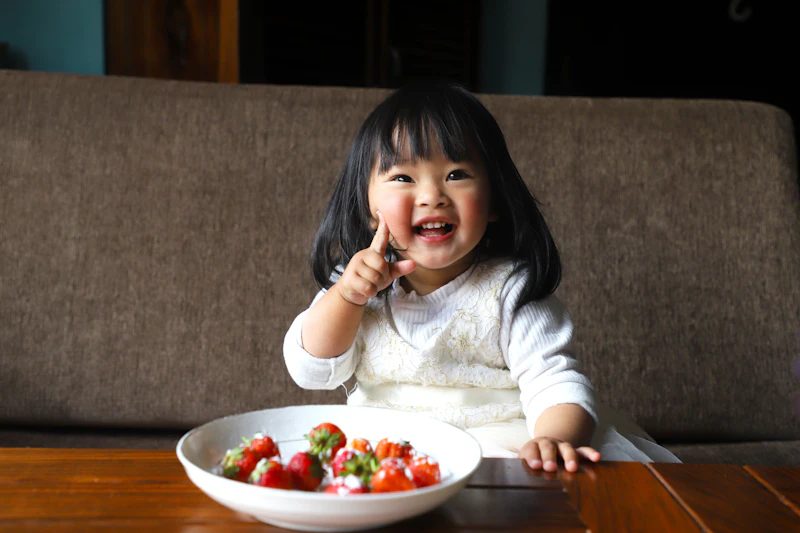
Why Homemade Baby Food Is Worth the Effort
When our first daughter turned six months old, I was overwhelmed by the wall of pouches at the grocery store. Every brand promised "organic" and "nutritious," but the ingredient lists told a different story — most were fruit-heavy sugar bombs with a token amount of vegetable. That's when I started making baby food at home, and I quickly realized it was far simpler than I'd imagined.
Homemade baby food costs about 50% less than store-bought options, and the nutritional difference is significant. A 2024 study in the Journal of Pediatric Gastroenterology and Nutrition found that commercial baby food pouches contained 40% more sugar per serving than equivalent homemade preparations. More importantly, when you make food at home, you control texture progression — which is critical for oral motor development.
The golden rule of baby food: you don't need a fancy baby food maker, special recipes, or expensive organic ingredients. You need a blender, fresh produce, and about 15 minutes. That's it. Every recipe in this guide follows that philosophy.
Stage 1: First Purees (4-6 Months) — Silky Smooth Singles
First foods should be single-ingredient, ultra-smooth purees thinned with breast milk, formula, or water. The goal isn't nutrition yet — it's teaching your baby how to move food from the front of their tongue to the back and swallow. Start with just 1-2 teaspoons once a day.
The AAP now recommends starting with iron-rich foods since babies' iron stores from birth start depleting around 6 months. Iron-fortified infant cereal mixed with breast milk is a classic first food, but pureed meats and lentils are even better iron sources.

Sweet Potato Puree (The Perfect Starter)
Sweet potato is widely considered the single best first food. It's naturally sweet (so babies accept it readily), packed with beta-carotene and vitamin A, gentle on immature digestive systems, and blends to a perfectly smooth consistency. Wash and prick one medium sweet potato, microwave for 5-7 minutes until soft, scoop out the flesh, and blend with 2-4 tablespoons of breast milk or formula until silky smooth. One sweet potato makes about 6 servings — freeze the rest in ice cube trays.
Avocado Mash (No Cooking Required)
Avocado is the ultimate no-cook baby food. It's rich in healthy fats critical for brain development, has a mild flavor, and naturally smooth texture. Cut a ripe avocado in half, scoop out the flesh, and mash with a fork until completely smooth. Add breast milk or formula to thin if needed. Use immediately — avocado browns quickly. A quarter avocado is one serving.
Banana Puree
Choose a ripe banana with brown spots — they're sweeter and softer. Peel, break into chunks, and mash thoroughly with a fork. For very young babies, push through a fine-mesh strainer for an even smoother result. Bananas are high in potassium, vitamin B6, and natural prebiotics that support gut health. One small banana makes about 4 servings.
Steamed Apple Puree
Peel, core, and dice two medium apples (Fuji or Gala work best — they're naturally sweeter). Steam for 8-10 minutes until fork-tender, then blend until smooth. Add a pinch of cinnamon for flavor — yes, spices are safe from 6 months and actually help develop your baby's palate. This freezes beautifully and makes about 8 servings.
Pea Puree (Iron-Rich Green)
Frozen peas are actually more nutritious than fresh ones because they're flash-frozen at peak ripeness. Boil one cup of frozen peas for 3 minutes, drain, and blend with 3-4 tablespoons of water. Push through a fine-mesh strainer to remove skins — this step is important for young babies who can't handle the texture yet. Peas are one of the best plant-based iron sources for babies.
Butternut Squash Puree
Cut a butternut squash in half, scoop out seeds, and roast cut-side down at 400°F for 40-45 minutes until completely soft. Scoop out flesh and blend until smooth. The roasting caramelizes the natural sugars, making this irresistibly sweet. One small squash yields about 10 servings — this is my top pick for batch-cooking and freezing.
Chicken Puree (Best Iron Source)
Most parents don't realize that pureed chicken is one of the best first foods. It's the richest source of heme iron (which is absorbed 3x better than plant iron). Poach 2 boneless, skinless chicken thighs in low-sodium broth for 15 minutes until fully cooked (165°F internal). Shred and blend with the cooking liquid until very smooth. One batch makes about 6 servings. Dark meat (thighs) is more iron-rich than white meat (breast).
Stage 2: Combination Purees (6-8 Months) — Building Flavor
Once your baby has tried several single-ingredient foods without reactions, it's time to get creative. Combination purees introduce more complex flavors and better nutrition through food pairing. At this stage, aim for a slightly thicker texture — think thick yogurt consistency rather than runny soup.
A key principle from pediatric nutritionists: pair a vitamin C-rich fruit with an iron-rich food. Vitamin C dramatically increases iron absorption. So pairing spinach (iron) with orange (vitamin C) is nutritionally strategic, not just tasty.

Apple Cinnamon Oatmeal
Cook 1/4 cup of quick oats in 1/2 cup water for 2 minutes. Stir in 2 tablespoons of your frozen apple puree and a pinch of cinnamon. Mash or blend to desired consistency. This is a nutritional powerhouse — the oats provide iron and fiber, the apple adds vitamin C (boosting iron absorption), and cinnamon has anti-inflammatory properties. This became our go-to breakfast from 7 months onward.
Carrot Ginger Puree
Steam 2 cups of diced carrots with a 1/2-inch piece of fresh ginger (peeled) for 10 minutes. Remove the ginger piece and blend the carrots with 3 tablespoons of the steaming water. The ginger is subtle but adds depth — and it's genuinely helpful if your baby has an upset stomach. Carrots are one of the richest sources of beta-carotene, which converts to vitamin A for eye and immune health.
Sweet Potato & Black Bean Mash
Combine 1/4 cup of your frozen sweet potato puree with 2 tablespoons of canned black beans (rinsed, no salt added). Blend together with a splash of water. This combination delivers complete plant protein (the beans provide amino acids the sweet potato lacks) plus iron, fiber, and complex carbohydrates. It's one of the most nutritionally complete vegetarian baby meals you can make.
Chicken, Pear & Spinach
Blend 2 tablespoons of your frozen chicken puree with 1 tablespoon each of pear puree and steamed spinach. The pear's sweetness masks the spinach's bitterness, and the vitamin C from the pear triples the iron absorption from both the chicken and spinach. This is the kind of strategic food pairing that pediatric nutritionists recommend.
Lentil & Carrot Curry
Cook 1/4 cup of red lentils in 3/4 cup of water with a pinch of turmeric and cumin for 15 minutes until mushy. Stir in 2 tablespoons of carrot puree. Red lentils are the easiest legume for babies — they dissolve into a smooth texture without blending. One serving provides 3mg of iron (about 30% of a baby's daily needs). The spices are safe and help prevent the picky eating that develops when babies are only exposed to bland flavors.
Banana Blueberry Yogurt
Mash half a banana, stir in 2 tablespoons of plain whole-milk yogurt and 1 tablespoon of mashed blueberries. Full-fat plain yogurt is safe from 6 months (even though whole cow's milk as a drink isn't recommended until 12 months). The blueberries add antioxidants, and the yogurt provides calcium and probiotics. Avoid flavored yogurts — they contain as much sugar as ice cream.
Stage 3: Chunky Textures (8-10 Months) — Learning to Chew
This stage is where many parents stall — they keep blending everything smooth because it's "easier." But research in the Journal of Human Nutrition and Dietetics shows that babies who aren't introduced to lumpy textures by 9 months are significantly more likely to become picky eaters as toddlers. The window for texture acceptance is narrow, so push through the gagging (it's normal and different from choking).
At 8-10 months, switch from blending to mashing with a fork. Leave small soft lumps. Your baby's gums are surprisingly strong and can mash soft foods even without teeth.
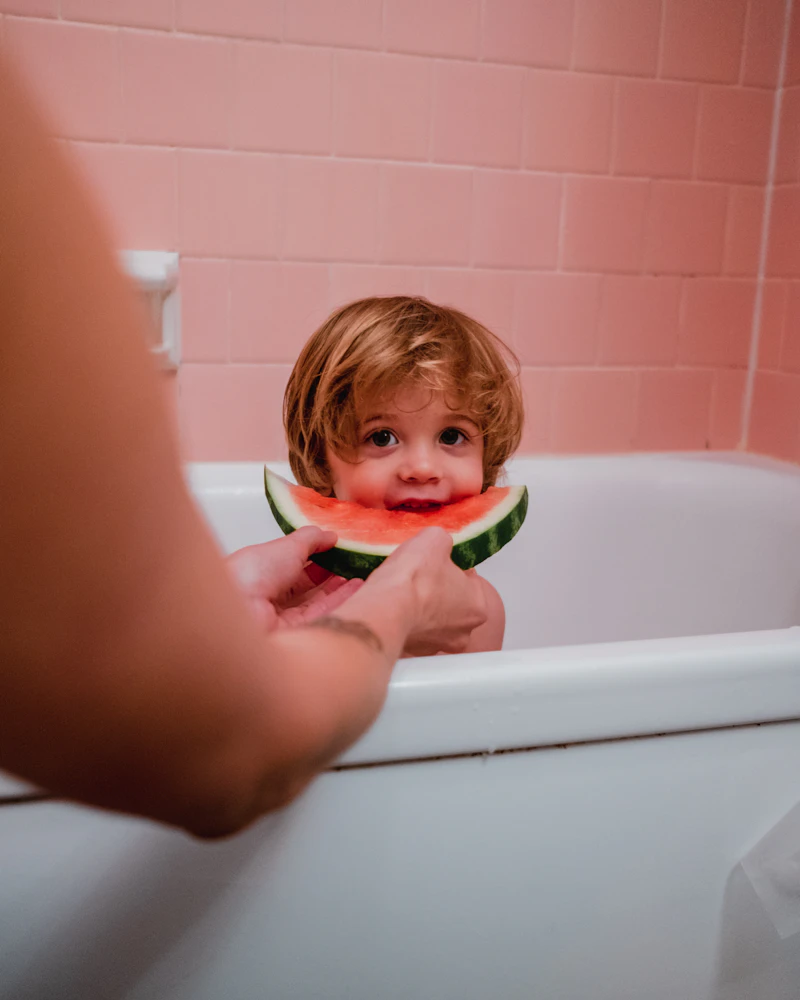
Mashed Salmon & Sweet Potato
Bake a small salmon fillet at 375°F for 12 minutes. Flake with a fork, checking carefully for bones. Mix with mashed sweet potato and a squeeze of lemon. Salmon is the gold standard for baby brain food — it provides DHA omega-3 fatty acids that are critical for cognitive development. The AAP specifically recommends fish 1-2 times per week for babies from 6 months. Choose wild-caught when possible, and avoid high-mercury fish like tuna, swordfish, and king mackerel.
Mini Banana Oat Pancakes
Mash one ripe banana, stir in one beaten egg and 3 tablespoons of oat flour (just blend regular oats in a blender). Cook silver-dollar-sized pancakes on a nonstick pan over medium heat for 2 minutes per side. These are naturally sweet with no added sugar, provide protein from the egg, and the soft texture is perfect for new chewers. Make a big batch on Sunday and refrigerate for the week — they reheat in 20 seconds in the microwave.
Egg Yolk & Cheese Scramble
Whisk 2 egg yolks (whole eggs are fine too from 6 months) with a splash of whole milk. Scramble in butter over low heat until just set — overcooked eggs are tough for babies. Stir in 1 tablespoon of finely shredded mild cheddar. Eggs are one of nature's most complete foods: they contain all 9 essential amino acids, choline for brain development, and vitamin D. This takes 3 minutes and is arguably the easiest nutrient-dense meal you can make.
Pasta with Hidden Veggie Sauce
Cook small pasta shapes (stars, orzo, or ditalini) until very soft — about 2 minutes past the package directions. Toss with a sauce of steamed and blended zucchini, carrot, and a tablespoon of tomato paste. Add a drizzle of olive oil and a sprinkle of Parmesan. The olive oil provides healthy fats and makes the fat-soluble vitamins in the veggies more absorbable. This is a family meal that everyone can eat.
Beef & Veggie Mash
Brown 2 ounces of ground beef in a pan (drain excess fat), then simmer with diced soft vegetables — zucchini, sweet potato, and peas work well — in a splash of low-sodium broth for 10 minutes. Mash coarsely with a fork. Ground beef is the single richest food source of both iron and zinc for babies. Two tablespoons of ground beef provides about 1.5mg of iron — nearly 15% of a baby's daily needs.
Stage 4: Finger Foods (10-12 Months) — Self-Feeding Independence
By 10-12 months, most babies have developed the pincer grasp (picking up small objects between thumb and forefinger) and are ready for self-feeding. This is messy, slow, and frustrating to watch — but it's essential for fine motor development and builds a healthy relationship with food. Resist the urge to spoon-feed everything. Let your baby explore.
The critical safety rule: all finger foods should be soft enough to mash between your thumb and forefinger. If you can't squish it easily, your baby can't either, and it's a choking risk. Cut everything into strips or small pieces — never round shapes (like grapes or hot dog rounds).
Steamed Broccoli Trees
Steam broccoli florets for 7-8 minutes until very tender (they should bend, not snap). The "tree" shape is perfect for babies to grab by the stem. Broccoli is a superfood — rich in vitamin C, vitamin K, fiber, and sulforaphane (a compound being studied for cancer prevention). Toss with a tiny drizzle of olive oil and a sprinkle of garlic powder for extra flavor.
Toast Strips with Nut Butter
Toast whole-wheat bread and cut into finger-width strips. Spread a thin layer of peanut, almond, or sunflower seed butter (thin enough that it doesn't glob — thick nut butter is a choking hazard). This covers multiple allergens in one snack and provides protein and healthy fats. Our pediatrician specifically recommended this as a daily allergen-exposure food.
Soft Cheese Cubes
Cut mild cheddar, mozzarella, or Colby Jack into small cubes (about 1/2 inch). Cheese provides calcium, protein, and fat — all essential for growing babies. Avoid hard cheeses like Parmesan at this stage, and skip brie or blue cheese (unpasteurized dairy risk). String cheese torn into thin strips is another great option.
Mini Meatballs
Mix 1/2 pound ground turkey with 1/4 cup finely grated zucchini, 2 tablespoons of breadcrumbs, and 1 beaten egg. Roll into marble-sized balls and bake at 375°F for 12-15 minutes. These freeze perfectly — make a big batch and defrost 3-4 per meal. The zucchini keeps them moist and adds a hidden vegetable. Flatten slightly before serving if your baby is still working on chewing.
Ripe Fruit Strips
Slice ripe mango, peach, kiwi, or watermelon into thin strips. Ripe fruit should be soft enough to gum without teeth. If it's too slippery for your baby to grip, roll it in a light coating of infant cereal or finely crushed Cheerios — this trick gives them traction. Fresh fruit provides natural sweetness, fiber, and vitamins that no supplement can match.
Foods to Avoid Before 12 Months
Most foods are safe from 6 months, but a few pose genuine risks:
- Honey — Never before 12 months. Honey can contain Clostridium botulinum spores that cause infant botulism, a serious and potentially fatal condition. This includes honey in baked goods, honey graham crackers, and "raw" honey products.
- Cow's milk as a drink — Not as a primary drink before 12 months (it can cause intestinal bleeding and doesn't have enough iron). However, dairy in food (yogurt, cheese, butter, milk in cooking) is perfectly fine from 6 months.
- Choking hazards — Whole grapes (cut lengthwise into quarters), whole nuts (use nut butters instead), popcorn, raw carrots, hot dog rounds (slice lengthwise), large chunks of meat, and hard candy.
- Added salt and sugar — Babies' kidneys can't process excess sodium, and added sugars displace nutritious calories. Cook baby food without salt, and sweeten with fruit instead of sugar. Low-sodium canned beans (rinsed) are fine.
- Unpasteurized dairy and juice — Risk of harmful bacteria. Always choose pasteurized products.
- High-mercury fish — Avoid shark, swordfish, king mackerel, and tilefish. Canned light tuna is lower in mercury than albacore but still limit to once a week. Salmon, cod, and tilapia are safe choices.
Equipment You Actually Need (And What You Don't)
The baby food industry wants you to believe you need a $150 dedicated baby food steamer-blender combo. You don't. Here's what actually matters:
- A regular blender or food processor — Any blender works. An immersion (stick) blender is actually ideal because you can blend directly in the pot. The $20 one from Target works just as well as the $200 Vitamix for baby food.
- Ice cube trays with lids — Silicone trays are easier to pop cubes out of. Each cube is roughly 1 ounce, making it easy to track portions.
- Small freezer bags — For storing frozen cubes. Label with contents and date.
- A steamer basket — A $10 collapsible metal steamer basket that fits inside any pot. Steaming preserves more nutrients than boiling.
- A fine-mesh strainer — For Stage 1 purees only. Push cooked peas, green beans, or other fibrous foods through it for ultra-smooth results.
What you don't need: a Baby Brezza or Beaba baby food maker (a blender does the same thing), special baby food storage systems (ice cube trays work better), or baby food recipe books (this guide covers everything through 12 months).
When to Worry — and When Not To
Almost every parent panics the first time their baby gags on food. Here's the important distinction: gagging is normal and healthy — it's your baby's protective reflex pushing food forward when it's too big. Their gag reflex is triggered much further forward on the tongue than adults', so it happens frequently. Gagging looks dramatic but is not dangerous.
Choking is different and requires immediate action. A choking baby will be silent (no coughing, no gagging sounds), may turn blue, and cannot breathe. If this happens, immediately perform infant back blows and chest thrusts. Every parent should take an infant CPR class before starting solids — many hospitals offer free classes, and the Red Cross has excellent online courses.
Also normal: your baby eating almost nothing for the first few weeks of solids. Most of the food will end up on the floor, the high chair, and your baby's face. That's fine. Until 12 months, breast milk or formula remains the primary source of nutrition. Solid food is practice, exposure, and supplemental iron — not the main event yet.
Frequently Asked Questions
When should I start making homemade baby food?
Most pediatricians recommend introducing solid foods around 6 months when your baby shows signs of readiness: sitting up with support, showing interest in food, loss of the tongue-thrust reflex, and doubled birth weight. Some babies may be ready as early as 4 months — always check with your pediatrician first.
Is homemade baby food healthier than store-bought?
Homemade baby food gives you full control over ingredients, freshness, and texture. There are no added preservatives, thickeners, or sugars. However, reputable store-bought brands like Beech-Nut and Happy Baby are also nutritious options. The AAP says both are fine — the best choice is whichever one you'll consistently offer your baby.
How long does homemade baby food last in the fridge?
Freshly made purees last 2-3 days in the refrigerator in airtight containers. For longer storage, freeze portions in ice cube trays, then transfer to freezer bags — frozen purees keep for up to 3 months. Always label with the date and ingredient. Never refreeze thawed baby food.
What are the best first foods for a 6-month-old?
The AAP recommends iron-rich foods first since babies' iron stores deplete around 6 months. Great starters include iron-fortified infant cereal, pureed meat, pureed lentils, and mashed beans. Single-ingredient fruits and vegetables like sweet potato, avocado, banana, and peas are also excellent early choices. Introduce one new food every 3-5 days to watch for allergies.
Can I add spices to baby food?
Yes — mild spices like cinnamon, cumin, turmeric, garlic powder, and basil are safe from 6 months and actually help develop your baby's palate. Avoid salt, honey (under 12 months due to botulism risk), and added sugars. Many pediatric nutritionists encourage early spice introduction as it reduces picky eating later.
What equipment do I need to make baby food at home?
At minimum, you need a blender or food processor, a fine-mesh strainer (optional for smoother texture), ice cube trays for freezing portions, and airtight storage containers. A steamer basket is helpful but not required — you can also roast or microwave. You don't need a dedicated baby food maker — a regular blender works perfectly.