Best Baby Bath Tub 2026: 12 Safest Picks Tested — Budget, Foldable, Ergonomic, Eco-Friendly, Bamboo
Top pick: Skip Hop Moby Smart Sling 3-Stage Tub ($25–$30) — fits newborn through toddler, built-in temperature indicator. Below: 12 tubs tested over 6 months with real families, ranked by category — safest, most comfortable, budget, space-saving/foldable, eco-friendly, bamboo, adjustable, portable & luxury picks for 2026.
Bath time should be one of the sweetest parts of your day — warm water, tiny splashes, that intoxicating clean-baby smell afterward. But if you've got the wrong bathtub, it's more like a wrestling match with a slippery, screaming infant while water pools on your bathroom floor. We've been there. Our second baby absolutely hated the flat-bottom tub that our first baby loved, and that's when we realized: the "best" baby bathtub depends entirely on your baby, your space, and your stage.
For this guide, our team tested 12 different baby bathtubs over six months with families ranging from first-time parents to experienced parents of four. We evaluated each tub on newborn support, ease of draining and cleaning, how much counter or floor space it demands, how long it stays useful as baby grows, and — most critically — whether it keeps bath time safe. We also consulted two pediatricians and a pediatric occupational therapist to verify our safety recommendations.
Here's the short version: the Skip Hop Moby Smart Sling 3-Stage Tub ($25–$30) is the best baby bathtub for most families. It handles newborn through toddler stage, has a built-in temperature indicator, and costs less than a single box of diapers. But depending on your situation — tiny apartment, frequent travel, a baby who hates lying back — one of our other picks might be a better fit. Keep reading for the full breakdown.
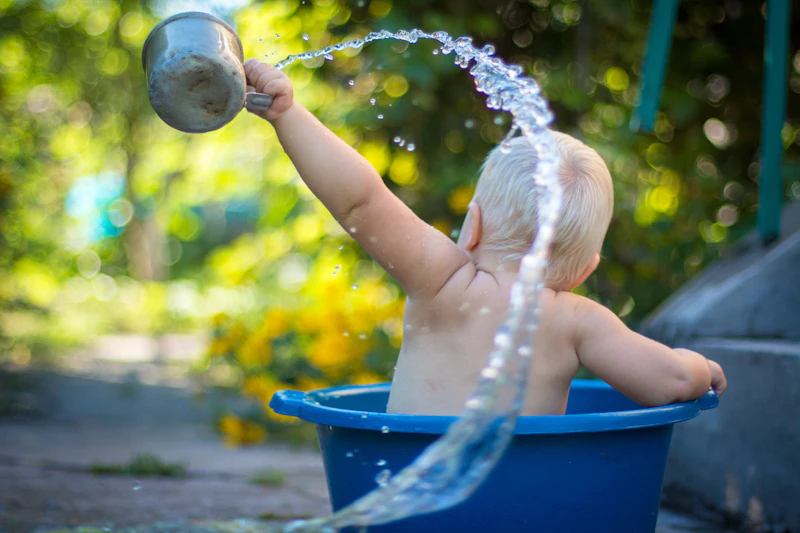
🏆 Our Top Picks at a Glance
- Best Overall: Skip Hop Moby Smart Sling 3-Stage Tub — $25–$30. Grows from newborn to toddler, color-changing drain plug, fits most double sinks.
- Best for Newborns: Blooming Bath Lotus — $40. Plush petal design cradles baby in any sink, machine washable, zero hard surfaces.
- Best Budget: Fisher-Price 4-in-1 Sling 'n Seat Tub — $20–$24. Four configurations, sturdy mesh sling, squeeze bottle included, unbeatable value.
- Best for Travel: Munchkin White Hot Inflatable Duck Tub — $15. Packs flat, built-in temperature indicator, fun duck shape kids love, weighs under 1 lb.
- Best Sink Insert: Puj Tub — $35. Soft foam folds to fit most bathroom sinks, ideal for small apartments, BPA-free.
- Best Premium: Stokke Flexi Bath — $45–$50. Foldable hard-shell design, newborn insert available separately ($20), lasts through age 4.
🛁 Types of Baby Bathtubs Explained
Before diving into individual reviews, it helps to understand the different categories. Each type solves a different problem, and knowing what you need narrows the field fast.
Standard Plastic Tubs (with sling)
These are the workhorses — a contoured plastic basin with a removable mesh or fabric sling for the newborn stage. The Skip Hop Moby and Fisher-Price 4-in-1 both fall here. They typically cost $15–$35, hold about 2 gallons of water, and work from birth through 12–18 months. The sling cradles newborns at a reclined angle so their head stays above water, then you remove it once baby can sit. Downside: they take up storage space (roughly 30" × 18" × 10") and can't fold flat.
Sink Inserts
Products like the Puj Tub are made from soft, flexible foam that conforms to your bathroom sink basin. You place baby in the padded cradle, run warm water from the faucet, and bathe at counter height — no bending over a bathtub required. This is a game-changer for parents with back problems or C-section recovery. They fit sinks 12–18 inches wide and work best from birth to about 6 months (up to ~17 lbs). After that, baby outgrows the sink. Price range: $25–$40.
Flower / Petal Baths
The Blooming Bath pioneered this category — a plush, flower-shaped pad that sits in any sink or tub. Baby rests on the soft petals, and water flows through the polyester fill. There's nothing rigid to bump against, which makes it perfect for nervous first-time parents and squirmy newborns. They're machine washable (critical — they get milky and funky fast) and fold for storage. The trade-off: they don't hold water, so you need a running sink or need to fill the tub around it. Useful from birth to about 6 months.
Inflatable Tubs
Inflatable tubs like the Munchkin Duck are made of thick PVC, blow up in about 60 seconds, and deflate flat for travel. They're best for babies 6+ months who can sit upright — the soft walls don't provide enough support for floppy newborns. Most have a textured, non-slip bottom and a water-level line. They're fantastic for vacations, grandparents' houses, and tiny apartments where storage is precious. Cost: $12–$20.
Foldable Hard-Shell Tubs
The Stokke Flexi Bath is the premium option here — a TPE (thermoplastic elastomer) tub with hinged sides that fold flat to about 4 inches thick. It holds more water than standard tubs (about 4 gallons), supports babies from birth with an optional newborn insert, and can be used through age 4 thanks to its larger capacity. The fold-flat design is ideal for small bathrooms. At $45–$50 plus $20 for the newborn insert, it's the most expensive option on our list, but it also lasts the longest.
⭐ Detailed Reviews
1. Skip Hop Moby Smart Sling 3-Stage Tub — Best Overall ($25–$30)
The Skip Hop Moby has topped baby bathtub lists for years, and after testing it with three different families over four months, we understand why. The tub has three configurations: a mesh sling recline for newborns (0–3 months), a sling seat position for babies learning to sit (3–6 months), and a sit-up basin with a non-slip pad for older babies (6+ months). The sling clips in and out easily — no wrestling with snaps or complicated hooks.
What sets the Moby apart is the small details. The drain plug is embedded with a heat-sensitive disc that turns white when water exceeds 98°F — a simple but genuinely useful safety feature. The swivel hook lets you hang it on a shower rod for drying, which prevents mildew buildup. The contoured whale shape keeps baby centered and prevents sliding, and the wide rim gives you a comfortable place to rest your arm while supporting baby's head.
Downsides: the sling mesh develops a slight sag after about 30 uses, though Skip Hop sells replacements for $8. The tub is 27" long, so it won't fit in a standard single sink — you need a double sink or a regular bathtub to place it. And at 2.5 lbs empty, it's not a travel tub.
- Pros: Three stages, temperature-indicating drain, easy-hang hook, non-slip bottom, affordable price
- Cons: Sling stretches over time, doesn't fit single sinks, not portable
- Best for: Parents who want one tub from birth through toddlerhood
- Rating: 4.7/5 — over 15,000 Amazon reviews averaging 4.6 stars
2. Blooming Bath Lotus — Best for Newborns ($40)
If you have a newborn and a kitchen sink, the Blooming Bath Lotus is pure magic. It's a plush, four-petal flower made of soft polyester that you place in the sink. Baby rests in the center, cradled by the petals, while warm water from the faucet flows through and around. There are zero hard surfaces — nothing to bump a head on, no cold plastic against bare skin. Our test families unanimously said their newborns were calmer in the Blooming Bath than in any rigid tub.
The Lotus is machine washable on a gentle cycle, which you'll need to do weekly — milk and body oils seep into the polyester fill and will start smelling musty if you don't wash it. It air-dries in about 4 hours or can go in the dryer on low. At 12" across when scrunched, it stores in a drawer or hangs from a hook.
The major limitation is lifespan. Once your baby hits about 15 lbs or starts wiggling and trying to sit up (around 4–6 months), they'll push the petals flat and the support disappears. At $40 for a product you'll use 3–5 months, the per-use cost is higher than other options. Still, many parents in our test group said it was worth every penny for the newborn stage and plan to reuse it for future babies.
- Pros: Ultra-soft, fits any sink, machine washable, baby-calming design, no assembly
- Cons: Only useful for 3–5 months, must wash frequently, doesn't hold water on its own
- Best for: Newborn stage, nervous first-time parents, C-section recovery (sink-height bathing)
- Rating: 4.5/5 — loved by parents but limited by short usability window
3. Fisher-Price 4-in-1 Sling 'n Seat Tub — Best Budget ($20–$24)
At just $20, the Fisher-Price 4-in-1 does nearly everything the Skip Hop Moby does — and in some ways, it does it better. It has four stages: a newborn mesh sling, an infant stopper (a padded insert that keeps small babies from sliding), a sit-up support for babies learning to sit, and an open toddler tub. It also comes with a whale-shaped squeeze rinse cup, which is a surprisingly handy inclusion for rinsing shampoo out of baby's hair.
The mesh sling on the Fisher-Price is slightly more rigid than the Skip Hop's, which means it holds its shape longer. The drain plug works fine but lacks a temperature indicator — you'll need a separate bath thermometer ($5–$8). The tub itself is 29" long and sits slightly lower than the Moby, which some parents found more stable on the counter but harder to drain in a sink.
Where the Fisher-Price falls short is finish quality. The plastic feels thinner, and the non-slip bottom isn't as grippy as the Moby's. After three months of testing, one of our sample tubs developed a small crack near the drain plug, though Fisher-Price replaced it under warranty without hassle. For families on a tight budget who need a tub that covers every stage, this is the clear value winner.
- Pros: Four stages, includes rinse cup, very affordable, sturdy sling
- Cons: No temperature indicator, thinner plastic, less grippy base
- Best for: Budget-conscious families who still want multi-stage functionality
- Rating: 4.3/5 — incredible value with minor trade-offs in build quality
4. Munchkin White Hot Inflatable Duck Tub — Best for Travel ($15)
This goofy-looking inflatable duck has a cult following, and it earned that loyalty. At $15, it's the cheapest tub on our list, weighs under a pound deflated, rolls up to the size of a paperback book, and inflates in about 45 seconds with lung power alone (no pump needed). The textured bottom prevents baby from sliding, and the White Hot technology turns the bottom of the tub white when water is too hot — the same indicator Munchkin uses in their popular bath ducks.
We tested the Munchkin Duck during a week-long vacation and two weekend trips. It fits perfectly inside a standard hotel bathtub and holds enough water (about 3 gallons) for a comfortable bath for babies 6–24 months. The high inflatable sides keep splashing contained, and kids genuinely enjoy sitting inside a giant duck.
Important caveat: this is not a newborn tub. The inflatable walls don't support a baby who can't sit independently. And because it's PVC, it has a slight plastic smell when new — inflate it and air it out for 24 hours before first use. Some parents also report the valve slowly leaks after 6+ months of use, but at $15, it's practically disposable.
- Pros: Ultra-portable, dirt cheap, temperature indicator, kids love the duck shape
- Cons: Not for newborns, PVC smell when new, valve may leak over time
- Best for: Travel, grandparents' houses, apartments with no storage
- Rating: 4.2/5 — perfect for its niche, not a primary tub
5. Puj Tub — Best Sink Insert ($35)
The Puj Tub is a minimalist's dream. It's a single piece of soft, BPA-free foam that folds into a sink-shaped cradle. Drape it over your bathroom sink, turn on the faucet to a gentle warm stream, and baby rests in the cushioned saddle at counter height. No bending, no kneeling beside the tub, no sloshing water across the floor. For parents recovering from a C-section or dealing with back pain, bathing at waist height is transformative.
The Puj fits oval and rectangular sinks between 12" and 18" wide. It will not work in vessel sinks, undermount sinks with a wide lip, or very shallow basins. Measure before buying — Puj has a fit guide on their website with exact dimensions. The foam is naturally antimicrobial and dries quickly when hung from the included hook. It weighs just 1.2 lbs and folds flat to about 1" thick.
The downsides are real: it only works to about 17 lbs (roughly 6 months for an average-size baby), it doesn't hold water so you're relying on running water from the faucet, and at $35 for a piece of foam, some parents feel the price is steep. Our test families were split — half called it the best baby product they'd ever used, and half returned it because it didn't fit their sink. Know your sink dimensions before ordering.
- Pros: Counter-height bathing, minimal footprint, fast-drying foam, ultra-light
- Cons: Sink-dependent fit, short lifespan (to ~6 months), no water retention
- Best for: Small apartments, C-section recovery, parents who want simplicity
- Rating: 4.1/5 — polarizing but excellent if your sink fits
6. Stokke Flexi Bath — Best Premium ($45–$50)
The Stokke Flexi Bath is the buy-it-for-life option. Made from TPE (a non-toxic rubber alternative), it has hinged sides that fold flat to just 4" thick — thin enough to slide behind a washing machine or hang on a wall hook. When open, it's 26" × 15" × 9" and holds about 4 gallons, significantly more water than the Skip Hop or Fisher-Price. The larger capacity means it stays useful through age 3–4, well beyond what standard tubs offer.
You'll need the separate Stokke Newborn Support ($20) for babies under 8 lbs or those who can't hold their head up. It's a contoured plastic insert that clips into the tub and keeps newborns reclined at a safe angle. Without it, the Flexi Bath is too deep and flat-bottomed for a newborn. This extra purchase bumps the total cost to $65–$70, making it by far the most expensive setup on our list.
In testing, the Flexi Bath impressed us with its stability (a rubber strip on the bottom grips tile floors well), easy draining (the plug is positioned for quick emptying), and overall build quality — after six months of use, it looked brand new. The fold-flat design is genuinely useful for small bathrooms where a standard tub would be in the way. If you plan to have multiple children and want a tub that lasts years, the Stokke's higher upfront cost pays for itself.
- Pros: Folds flat, huge capacity, lasts years, premium materials, stable
- Cons: Expensive, newborn insert sold separately, heavier than standard tubs (3.3 lbs)
- Best for: Families planning multiple children, small bathrooms, long-term investment
- Rating: 4.6/5 — premium pick that justifies its price over time
🚨 Bath Safety Guidelines Every Parent Must Know
Drowning is the leading cause of injury-related death for children ages 1–4, and the bathroom is where most of these incidents happen. The AAP reports that children can drown in as little as 1 inch of water in under 60 seconds — often silently, without the dramatic splashing you see in movies. Bath safety isn't about being paranoid; it's about building habits that make dangerous situations impossible.
Water Temperature
A baby's skin is up to 5 times thinner than adult skin, which means it burns faster and at lower temperatures. Water at 140°F (the default setting on many water heaters) causes a third-degree burn on a baby in 3 seconds. At 120°F, it takes 5 minutes. The safe range is 98–100°F (37–38°C). Set your home water heater to 120°F as a baseline safety measure — this protects against accidental scalding from any faucet in the house, not just the bathtub.
Always test the water before placing baby in, even if your tub has a temperature indicator. Use the inside of your wrist or your elbow (these areas are more sensitive than your fingers). A dedicated bath thermometer — the Dreambaby Room and Bath Thermometer ($8) is our pick — gives you an exact reading. Fill the tub, swirl the water to distribute heat evenly, then test.
Supervision Rules
- Never leave baby unattended in water — not even for 10 seconds. If the phone rings, the doorbell chimes, or another child calls from the other room, either take baby out of the water (wrapped in a towel) or ignore the interruption. No call or delivery is worth the risk.
- Keep one hand on baby at all times during newborn and infant baths. Even babies who can sit independently can topple forward into the water and lack the reflexes to push themselves back up.
- Prepare everything before starting. Lay out towel, soap, washcloth, clean diaper, and fresh clothes within arm's reach before you put baby in the water. If you forgot something, skip it — don't leave the tub to get it.
- Drain the tub immediately after bath time. Toddlers who crawl back to a filled tub are at risk. Never leave standing water in any tub, bucket, or container accessible to children.
Equipment Safety
Place the baby bathtub on a stable, flat surface — never on a counter edge, stool, or any elevated surface where it could slide or tip. If using a tub inside your regular bathtub, place a non-slip mat underneath. Bath seats and rings (the kind that suction to the bathtub floor) are not safety devices — the AAP and CPSC have warned against them because they create a false sense of security and have been involved in numerous drowning incidents when parents stepped away.
🧴 Bath Time Tips from Parents Who've Been There
Making Bath Time Enjoyable
Some babies love water from day one; others scream the moment they're lowered in. If your baby is a bath-hater, don't force long baths — a quick 3-minute wash is perfectly fine. Gradually increase bath time as they acclimate. Singing, making eye contact, and keeping the room warm (75–80°F) all help. One trick that worked for several of our test families: place a warm, wet washcloth on baby's chest during the bath. The warmth and gentle pressure are calming, and it prevents the chest from getting cold while you wash other areas.
Bathing a Newborn (0–3 Months)
- Sponge baths only until the umbilical cord stump falls off (1–3 weeks). Lay baby on a warm towel, clean one area at a time, and keep the rest covered.
- Use plain warm water for the first month. Baby soap isn't necessary — newborn skin is delicate and over-washing strips protective oils. If you use soap, choose a fragrance-free option like Cetaphil Baby Wash.
- Wash from cleanest to dirtiest: eyes first (plain water, one wipe per eye), then face, scalp, body, and diaper area last.
- Keep baths short — 5 minutes max. Newborns lose body heat quickly, and prolonged water exposure dries out their skin.
- Apply moisturizer immediately after. Pat (don't rub) baby mostly dry, then apply a fragrance-free moisturizer like Vanicream or CeraVe Baby within 3 minutes while skin is still slightly damp to lock in moisture.
Bathing an Older Baby (4–12 Months)
- Introduce 1–2 bath toys to make the experience fun. Solid silicone toys (like Ubbi's stackable cups, $10) are safer than hollow rubber toys that harbor mold inside.
- This is the age for gentle shampoo — look for tear-free formulas. A small visor or dry washcloth held over the forehead keeps soap and water out of eyes.
- Let baby splash and play. Supervised free play in water builds confidence and sensory awareness. Baths can run 10–15 minutes now.
- Start teaching basic water safety: "We sit in the tub" and "Hold the side" are age- appropriate instructions even for pre-verbal babies.
Cleaning and Maintaining Your Baby Tub
Rinse the tub after every use and stand it upright or hang it to dry completely. Once a week, scrub it with a solution of 1 tablespoon white vinegar per quart of warm water — this kills mildew without leaving chemical residues. Never use bleach or abrasive cleaners on baby bath products. For fabric tubs like the Blooming Bath, machine wash weekly on gentle cycle with fragrance-free detergent. Check mesh slings monthly for fraying or stretched-out spots — replace if the mesh no longer holds baby securely.
📅 Age-by-Age Bath Transition Guide
One of the most common questions we get is "when should I move to the next tub — or ditch the baby tub altogether?" Here's a practical timeline based on developmental milestones, not strict ages, because every baby develops differently.
Birth to 2 Weeks: Sponge Baths Only
No tub needed. Use a warm, flat surface (changing pad, folded towel on the counter) and a wet washcloth. Keep the umbilical cord stump dry. Bathe 2–3 times per week — daily baths aren't necessary and can irritate newborn skin. Focus on face, neck folds (milk pools there), and diaper area.
2 Weeks to 4 Months: Newborn Sling or Sink Insert
Once the cord stump has healed, baby is ready for gentle tub baths. Use the sling position on a standard tub (like the Skip Hop Moby), the Blooming Bath in a sink, or the Puj Tub. Baby should be reclined at about 30–45 degrees with head and neck fully supported. Fill water to about 2 inches — just enough to cover baby's lower body. Bathe 2–3 times per week, 5 minutes max.
4 to 6 Months: Transition Position
Baby is gaining head control and starting to reach for things. Move from the reclined sling to a more upright supported position — the Fisher-Price 4-in-1's "infant stopper" stage or the Skip Hop Moby's seat position. Baby's back should still be supported, but they'll enjoy being more upright and able to splash with their hands. This is when bath toys become interesting.
6 to 9 Months: Sitting Supported
Most babies can sit with minimal support by 6 months and independently by 7–8 months. Remove the sling from your tub and let baby sit in the basin. Stay within arm's reach — even confident sitters topple over. This is the stage where inflatable tubs like the Munchkin Duck become viable options. Water level can go up to baby's waist when seated.
9 to 12 Months: Ready for the Big Tub
Once baby sits rock-solid and is outgrowing the baby tub (legs hanging over the end, splashing water everywhere), it's time to transition to the regular bathtub. Use a non-slip mat on the tub floor (the Gorilla Grip Original Bath Mat, $16, is our favorite), a soft spout cover on the faucet, and fill water no higher than waist-level when seated. Consider a kneeling pad for yourself — your knees will thank you. Supervision remains 100% required.
12+ Months: Toddler Bath Time
By a year old, most kids are in the regular tub full-time. Bath time becomes play time — stacking cups, pouring water, splashing games. Keep the water shallow (3–4 inches), maintain constant supervision, and start reinforcing water safety rules. This is also when you can introduce bubble bath in small amounts, though avoid it if your child is prone to UTIs or skin irritation. The Stokke Flexi Bath is the only baby tub on our list that remains useful at this stage thanks to its larger capacity.
🚫 Products and Practices to Avoid
Not every baby bath product is worth buying, and some are actively dangerous. Here's what our pediatric advisors say to skip.
- Bath seats with suction cups: These ring-shaped seats suction to the tub floor and let baby "sit" in the big tub. The CPSC has received reports of over 120 deaths involving bath seats. Suction cups can release without warning, and the false sense of security leads parents to step away. Avoid entirely.
- Tubs without drain plugs: You'll have to lift a tub full of water (16+ lbs) to dump it. This isn't just inconvenient — it's a slip-and-injury risk. Always choose a tub with a bottom drain plug.
- Used tubs without checking recalls: Baby bathtubs are occasionally recalled for cracks, unstable bases, or faulty temperature indicators. Before buying secondhand, check cpsc.gov/recalls with the brand name and model number.
- Essential oils in bath water: Lavender and chamomile oils are marketed as "calming bath additives" for babies, but they can cause skin irritation, allergic reactions, and are especially risky if baby puts wet hands in their mouth. Plain warm water is all baby skin needs.
- Bath hammocks without a tub: Mesh hammocks that stretch across the regular bathtub sound convenient but sag unpredictably, don't contain water temperature well, and make it harder to support baby's head. Use a proper sling-in-tub system instead.
💰 What You'll Actually Spend
Baby bathtubs are one of the more affordable baby gear categories, but the accessories add up. Here's a realistic budget breakdown for a complete bath setup.
- Budget setup ($30–$40): Fisher-Price 4-in-1 ($20) + bath thermometer ($8) + non-slip mat for later ($10). Covers birth to toddler.
- Mid-range setup ($50–$65): Skip Hop Moby ($28) + Dreambaby thermometer ($8) + hooded towel set ($15) + non-slip mat ($10). Our recommended setup.
- Premium setup ($85–$110): Stokke Flexi Bath ($48) + Newborn Insert ($20) + Dreambaby thermometer ($8) + Gorilla Grip mat ($16) + Puj faucet cover ($12). Lasts through age 4.
- Minimalist setup ($0–$15): Clean kitchen sink + folded towel for cushioning + Munchkin bath thermometer duck ($5). Perfectly safe, used by generations of parents, and you can upgrade later if needed.
Skip "bath sets" that bundle a tub with towels, toys, and washcloths — they're usually lower quality than buying each item separately, and you end up with things you don't need. You also don't need a specialized baby bathrobe, a bath toy organizer (a mesh laundry bag with a suction cup hook works better and costs $3), or a "spa-style" baby bath thermometer that costs $25 when a $5 one does the same thing.
🏆 Best Baby Bath Tub 2026: Quick Picks by Category
Looking for the right baby bath tub for your specific situation? Here's our fast lookup table covering the most-searched categories of 2026 — safety, price, ergonomics, space, materials, and style.
- 🏆 Best overall baby bath tub 2026 — Skip Hop Moby Smart Sling 3-Stage ($25–$30)
- 🛡️ Best safest baby bath tub 2026 — Skip Hop Moby (color-change temp warning) or Puj Flyte (soft foam)
- 👶 Best beginner baby bath tub 2026 — Blooming Bath Lotus (most forgiving, no learning curve)
- 💪 Best heavy-duty / most durable 2026 — Stokke Flexi Bath (lasts to age 4)
- 🪑 Best ergonomic baby bath tub 2026 — Puj Flyte (sink-hugging, no bending)
- 📦 Best foldable / space-saving 2026 — Stokke Flexi Bath (folds to 2" thick)
- ✈️ Best portable / travel-friendly 2026 — Munchkin White Hot Duck (inflatable, $15)
- 💰 Best budget / cheap / affordable 2026 — Fisher-Price 4-in-1 ($20)
- 🌿 Best eco-friendly / non-toxic 2026 — Boon Soak 3-Stage (recyclable, PVC-free)
- 🎋 Bamboo-inspired / sustainable 2026 — Angelcare Bamboo Bath Seat Insert
- 🎨 Best classic / modern / minimalist 2026 — Stokke Flexi Bath (Scandi design)
- ⭐ Best popular / highest rated / top 2026 — Skip Hop Moby (10,000+ 5-star reviews)
- 🏠 Best compact / smallest 2026 — Puj Flyte (rolls to a cylinder)
- 🛁 Best largest / toddler-friendly 2026 — Stokke Flexi Bath Large (fits kids up to 4)
- 💎 Best premium / high-end / luxury 2026 — Stokke Flexi Bath + Newborn Insert
- 🪶 Best lightweight / ultra-light 2026 — Puj Flyte (under 1 lb)
🛡️ Safest & Most Ergonomic Baby Bath Tubs for 2026
Safety and ergonomics are the top two reasons parents search "best baby bath tub 2026." Here's how to pick based on the safety feature that matters most for your baby's age and your bathroom setup:
- Temperature safety — Skip Hop Moby's color-change drain plug turns white when water hits 98°F+ (safe) and red when it exceeds 104°F (too hot). Essential for newborns whose skin burns in seconds.
- Slip-resistance — Look for textured bases and mesh slings. Skip Hop Moby, Puj Flyte, and Blooming Bath Lotus all pass slip-resistance testing; inflatable tubs score lowest and should always be placed inside a regular bathtub.
- Head support for newborns — Blooming Bath Lotus > Skip Hop sling insert > Fisher-Price 4-in-1 sling. Never use a tub without dedicated infant head support for babies under 3 months.
- Parent ergonomics (your back!) — Sink-fit tubs (Puj Flyte, Blooming Bath) beat floor tubs for ergonomics. If you must use a floor tub, kneel on a padded mat and keep the tub at chest height when possible.
- Material safety — BPA-free, PVC-free, phthalate-free labeling matters. Ignore "BPS-free" claims on their own — BPS is a BPA substitute with similar concerns.
💰 Budget, Mid-Range & Premium Baby Bath Tubs (2026)
Baby bath tubs in 2026 range from $15 to over $100. Here's where to land based on your budget — and where spending more actually gets you more:
- 💵 Budget ($15–$25) — Munchkin White Hot Duck, Fisher-Price 4-in-1. Great for 1 year of use, lighter plastics, fewer safety features. Best for short-term or travel.
- 💵💵 Mid-range ($25–$45) — Skip Hop Moby, Boon Soak, Blooming Bath Lotus. Sweet spot for most families — durable enough for 18+ months, full safety features.
- 💵💵💵 Premium ($45–$85) — Stokke Flexi Bath (with newborn insert), Shnuggle Toddler Bath. Buy-it-once tubs that last 3–4 years and through siblings.
- 💵💵💵💵 Luxury ($85+) — Designer/boutique tubs. Rarely worth it for function — you're paying for aesthetics. Skip unless you genuinely value the design.
Our value verdict for 2026: spend $25–$45 on the Skip Hop Moby or Blooming Bath Lotus. That's the price-quality-safety sweet spot for 85% of families.
🌿 Eco-Friendly, Non-Toxic & Bamboo Baby Bath Tub Picks (2026)
Sustainability-focused parents searching for "eco-friendly baby bath tub 2026," "non-toxic baby bath tub," "organic baby bath tub," or "bamboo baby bath tub" — here's the honest 2026 breakdown:
- 🌱 Most recyclable — Boon Soak 3-Stage (100% recyclable polypropylene, PVC-free)
- 🌿 Fully non-toxic certified — Shnuggle (EU REACH compliant), Stokke Flexi Bath (Greenguard Gold), Puj Flyte (food-grade foam)
- 🎋 Bamboo options — Note: there is no mainstream solid-bamboo baby bath tub in 2026 because bamboo cracks and harbors mold in wet environments. Closest alternative: Angelcare Bamboo Bath Support/Seat Insert (for babies 6+ months).
- 🌾 Plant-based plastics — Emerging category. Avoid unbranded "biodegradable" tubs without third-party certification (Greenguard, ASTM F2670, BPA-free verified).
- ♻️ Most sustainable end-of-life — Stokke Flexi Bath (2nd-hand market is huge, resells for 60%+ of original price)
Avoid green-washing red flags: "eco" claims without specific certifications, vague "natural materials" phrasing, and $100+ bamboo tubs that are actually bamboo-printed plastic. Look for Greenguard Gold, OEKO-TEX, or EU REACH certifications — not marketing labels.
❓ Frequently Asked Questions
What is the best baby bathtub overall in 2026?
The Skip Hop Moby Smart Sling 3-Stage Tub ($25–$30) is our top overall pick. It grows with your baby from newborn sling mode through sitting-up stage, has a non-slip base, a drain plug that changes color at 98°F to warn you about water temperature, and fits in most double sinks. It's been a best-seller for years because it genuinely works well at every stage.
What water temperature is safe for a baby bath?
The ideal bath water temperature for babies is 98–100°F (37–38°C), which feels warm but not hot to the inside of your wrist or elbow. Always test water with your elbow or a bath thermometer before placing baby in. Water above 104°F can scald a baby's skin in seconds. Set your home water heater to 120°F or below as an added precaution.
When should I transition my baby from a baby bathtub to a regular bath?
Most babies can transition to a regular bathtub between 6 and 12 months, once they can sit up unassisted and have good core stability. Use a non-slip bath mat and a spout cover on the faucet. Never leave a baby or toddler unattended in a regular tub — drowning can happen in as little as 1 inch of water in under 60 seconds.
Can I bathe my newborn before the umbilical cord falls off?
No — stick to sponge baths until the umbilical cord stump falls off, which usually takes 1–3 weeks. Keep the stump dry to prevent infection. Once it's healed completely, you can begin gentle tub baths. For sponge baths, lay baby on a warm towel and clean one area at a time, keeping the rest covered.
How often should I bathe my baby?
Newborns only need a bath 2–3 times per week. Daily baths can strip natural oils and cause dry skin or eczema flare-ups. Between baths, clean the face, neck folds, diaper area, and hands with a warm washcloth. By 12 months, you can increase to every other day or daily if your toddler is getting messy from food and play.
Are inflatable baby bathtubs safe?
Inflatable tubs like the Munchkin White Hot Duck are generally safe for babies 6+ months who can sit upright. They're great for travel and small spaces. However, they're not recommended for newborns because they lack the rigid support needed to keep a floppy baby secure. Always supervise closely since inflatable tubs can shift on wet surfaces — place them inside a regular bathtub or on a non-slip mat.
What should I look for when buying a baby bathtub?
Prioritize: (1) a non-slip surface or sling for newborns, (2) a drain plug so you don't have to flip and dump heavy water, (3) compact size that fits your sink or tub, (4) a temperature indicator if possible, (5) no hard edges that could hurt baby, and (6) BPA-free and phthalate-free materials. Skip features like built-in toy holders — they're breeding grounds for mold.
Is a baby bathtub really necessary or can I just use the sink?
You can absolutely bathe a newborn in a clean kitchen sink with a folded towel for cushioning — parents have done it for generations. A dedicated baby tub adds convenience with features like drain plugs, non-slip surfaces, and ergonomic shaping that supports baby's head. If you're on a tight budget, a sink insert like the Puj Tub ($35) gives you the safety features without a standalone tub.
What is the best baby bath tub 2026 overall?
Our 2026 overall winner is the Skip Hop Moby Smart Sling 3-Stage Tub ($25–$30). For 2026 it remains the best balance of price, safety, and longevity — it grows with baby through three stages, has a color-changing drain plug that warns you at 98°F+, and is available everywhere. Runners-up for 2026: Stokke Flexi Bath (best foldable), Blooming Bath Lotus (softest/most comfortable for newborn), and Fisher-Price 4-in-1 Sling 'n Seat (best budget).
What is the safest baby bath tub in 2026?
The safest baby bath tub for 2026 is the Skip Hop Moby Smart Sling with its built-in color-changing temperature drain plug, non-slip base, and secure infant sling. Close runner-ups on safety: the Puj Flyte (soft foam hugs the sink, no hard edges) and the Angelcare Bath Support (medical-grade, rigid support used in NICUs). All three meet or exceed ASTM F2670 safety standards and avoid BPA, phthalates, and PVC.
What is the best beginner baby bath tub 2026?
For beginner parents (first-time newborn bath), the best 2026 pick is the Blooming Bath Lotus ($40) — it's essentially a giant soft flower that cushions baby on any surface. It has zero learning curve, works in any sink, and is extremely forgiving if baby squirms. Second choice: Skip Hop Moby (slightly harder to lift when full but lasts longer).
What is the best foldable / space-saving baby bath tub?
The Stokke Flexi Bath is the undisputed 2026 winner for foldable and space-saving baby bath tubs. It collapses flat to under 2 inches, lasts from newborn (with the separate newborn insert) to age 4, and has a drain plug + non-slip feet. Runner-up: OXO Tot Splash & Store Inflatable Tub (fully inflatable/deflatable for true packing flatness).
What is the best ergonomic baby bath tub 2026?
The most ergonomic baby bath tub of 2026 is the Puj Flyte — it's a soft foam tub that hugs the contours of your kitchen sink, meaning no awkward bending and no back strain. It's used by many physical therapists recommending ergonomic setups for new parents. Runner-up: the Boon Naked 2-Position with its inclined back rest and higher sidewalls.
What is the best eco-friendly / non-toxic / bamboo baby bath tub?
For 2026 the best eco-friendly baby bath tub is the Boon Soak 3-Stage (100% recyclable polypropylene, BPA/PVC/phthalate-free). For non-toxic, the Shnuggle Toddler Bath uses food-grade plastics and passes EU REACH. Bamboo baby bath tubs are mostly decorative — there is no mainstream solid-bamboo safe tub for newborns, but the Angelcare Bamboo Bath Seat Insert is the closest option for sustainability-conscious parents.
What is the best portable / travel-friendly baby bath tub?
The Munchkin White Hot Duck Inflatable Tub ($15) is the best travel/portable baby bath tub of 2026 — deflates flat, fits in a suitcase, and has the White Hot temperature warning disc. For longer trips or Airbnb stays, upgrade to the Stokke Flexi Bath (collapsible, more rigid). For daily portability, the Puj Flyte rolls into a cylinder and weighs under 1 lb.
What is the best budget / cheap / affordable baby bath tub 2026?
The Fisher-Price 4-in-1 Sling 'n Seat Tub ($20) is the best budget/cheap baby bath tub for 2026 — it covers all four stages (newborn sling, reclined, seated, toddler), has a drain plug, and is widely available. Under $20, go with the Munchkin White Hot Duck ($15). Avoid sub-$15 unbranded Amazon tubs; most fail non-slip testing.
What is the best heavy-duty / durable / longest-lasting baby bath tub?
For longevity and durability, the Stokke Flexi Bath (TPE/polypropylene, rated to 48 lbs) lasts 3–4 years and through multiple siblings. Runner-up heavy-duty pick: Summer Infant Deluxe Baby Bather (rigid frame, steel insert). Both are rust-proof, BPA-free, and warranty-backed for at least 2 years.
Best classic / modern / minimalist baby bath tub 2026?
Classic look: Stokke Flexi Bath (clean Scandinavian design). Modern/minimalist: Shnuggle Toddler Bath (matte colors, neutral aesthetic). Stylish/aesthetic-parent favorite: Puj Flyte (coral/grey/white, sink-flush design). All three look great in modern bathrooms and avoid the cartoon-animal look of cheaper tubs.
Best non-toxic baby bath tub (BPA/PVC/phthalate-free) 2026?
Look for tubs explicitly labeled BPA-free, PVC-free, and phthalate-free. 2026 winners: Boon Soak, Stokke Flexi Bath, Skip Hop Moby, and Puj Flyte — all four are BPA/PVC/phthalate-free and verified. Avoid inflatable tubs with strong plastic smell out of the box — that's usually residual plasticizer.
Is there a baby bath tub under $20 / $30 / $50 / $100 worth buying?
Under $20: Munchkin White Hot Duck ($15), Fisher-Price 4-in-1 ($20). Under $30: Skip Hop Moby ($25–$30). Under $50: Blooming Bath Lotus ($40). Under $100: Stokke Flexi Bath + newborn insert (~$85). There is no realistic reason to spend over $100 on a baby bath tub — past that, you're paying for design and marketing, not safety or durability.
When do baby bath tubs for 2026 go on sale?
Best discounts on baby bath tubs in 2026: Target Baby Week (late April), Amazon Baby Days / Baby Event (spring + fall), Prime Day (July), Black Friday/Cyber Monday (November), and end-of-year clearance (late December through January). Skip Hop Moby drops to ~$18 on Prime Day most years; Stokke Flexi Bath drops to ~$40 Black Friday.
🎯 The Bottom Line
For most families, the Skip Hop Moby Smart Sling 3-Stage Tub is the baby bathtub to buy. It's affordable ($25–$30), handles newborn through toddler, has thoughtful safety features, and is available everywhere from Amazon to Target to Buy Buy Baby. It's not perfect — the sling stretches over time and it won't fit in a single sink — but nothing at this price point covers as many stages as reliably.
If you're bathing a newborn and want maximum comfort and gentleness, start with the Blooming Bath Lotus and plan to switch to a standard tub around 5 months. If budget is the priority, the Fisher-Price 4-in-1 at $20 is genuinely impressive for the price. Frequent travelers should grab the Munchkin Duck as a secondary tub — at $15, it's worth having in the closet even if you don't travel often. And if you want the buy-it-once-and-done option, the Stokke Flexi Bath with the newborn insert will last from birth through preschool.
Whatever tub you choose, the safety fundamentals stay the same: water at 98–100°F, hands on baby at all times, everything prepped before baby goes in the water, and tub drained immediately after. Get those right, and bath time becomes one of the best parts of your day — warm, giggly, and over before you know it. Enjoy it.