Best Nursing Pillows 2026: Honest Reviews After 100+ Hours of Testing
We tested 12 nursing pillows through real breastfeeding and bottle-feeding sessions. Here are the ones actually worth your money — with specific advice for C-section recovery, plus-size parents, and twins.
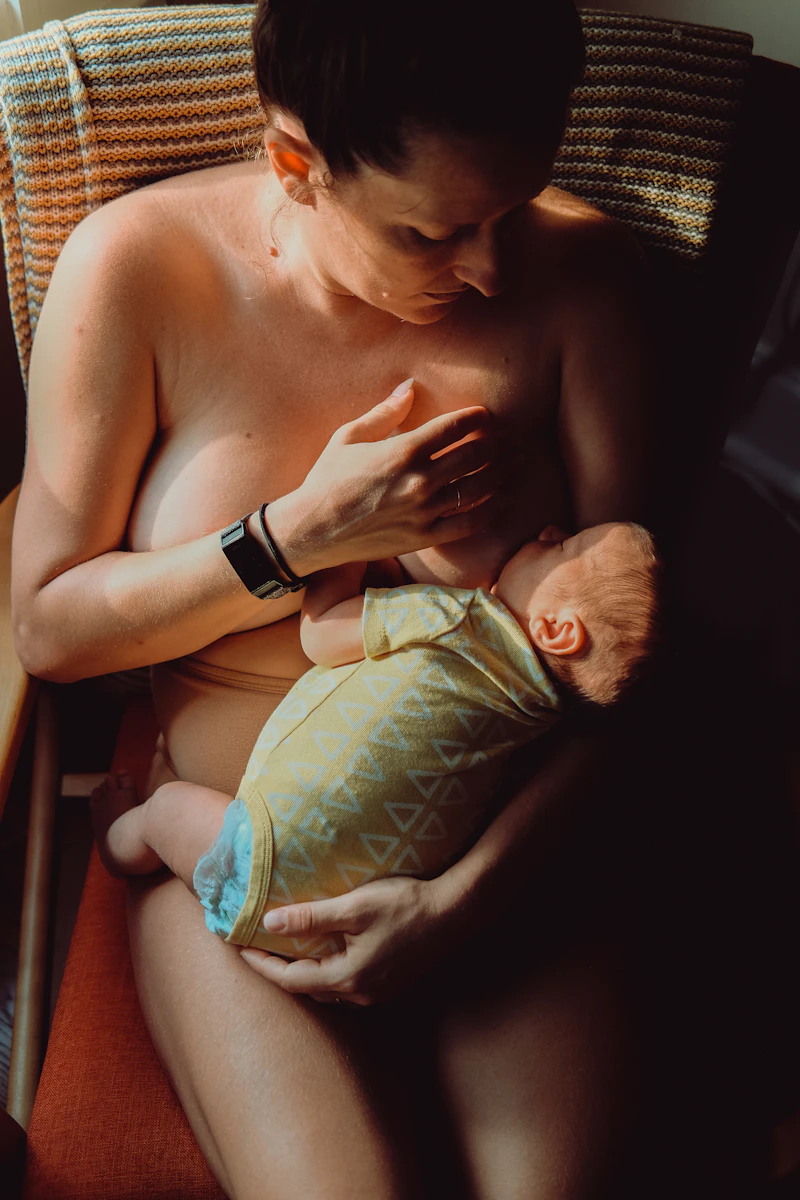
Here's what nobody tells you before the baby arrives: you will spend an almost comical amount of time feeding this tiny human. In the newborn stage, that's 8-12 sessions a day, often 20-40 minutes each. Your arms will ache. Your shoulders will creep up toward your ears. Your back will stage a protest.
A good nursing pillow won't solve every feeding challenge, but it can be the difference between dreading each session and settling in comfortably. After testing 12 different nursing pillows across our team of five parents — including two C-section recoveries, one set of twins, and body types ranging from petite to plus-size — we have strong opinions about which ones actually deliver and which are overpriced couch cushions.
The short version: My Brest Friend Original is the best dedicated breastfeeding pillow, the Boppy Original is the best all-around value for its versatility, and the Frida Mom Adjustable is worth the splurge if you want premium adjustability. But the right choice depends entirely on how you feed, your body, and your budget — so keep reading.
Why Nursing Pillows Actually Matter (It's Not Just Comfort)
Nursing pillows aren't about luxury — they're about biomechanics. Proper latch requires baby's mouth to be at nipple height, their body turned toward you chest-to-chest, and their head slightly tilted back. Without support, most parents compensate by hunching over, hiking a shoulder up, or holding baby's full weight with their arms. Do that 10 times a day for weeks, and you've got a recipe for mastitis-triggering poor latch, plugged ducts, and back pain that rivals late pregnancy.
Lactation consultants consistently recommend nursing pillows for the first 6-8 weeks because they create a stable, consistent feeding platform. When baby is at the right height every time, your latch improves, your letdown is less stressed, and sessions often get shorter because baby feeds more efficiently.
- Reduces arm and shoulder fatigue — newborns may only weigh 7-8 pounds, but holding that weight in the same position for 30+ minutes adds up fast
- Promotes better latch — consistent height and angle means baby doesn't have to work as hard to maintain suction
- Protects C-section incisions — keeps baby's weight off your abdomen during recovery
- Frees up a hand — helpful for adjusting baby's position, drinking water, or holding your phone during those 3 AM feeds
- Supports multiple positions — football hold, cross-cradle, and cradle hold all benefit from pillow support
Quick Comparison: Our Top Picks at a Glance
Before we dive into detailed reviews, here's the cheat sheet. Every pillow below earned its spot through real-world testing, not just spec sheets.
- Best Overall for Breastfeeding: My Brest Friend Original — $40 — firm, flat, clips in place, lactation consultant favorite
- Best All-Around Value: Boppy Original Nursing Pillow — $35 — versatile beyond nursing, softer feel, machine washable cover
- Best Premium: Frida Mom Adjustable Nursing Pillow — $65 — customizable height, strap system, great for C-section
- Best for Twins: My Brest Friend Twin Pillow — $65 — wide platform, center divider, built for tandem feeding
- Best for Plus-Size Parents: My Brest Friend Plus Size — $50 — extended waistband, wider surface
- Best Budget: Momcozy Nursing Pillow — $25 — surprisingly good for the price, adjustable strap
Detailed Reviews: 6 Nursing Pillows We Actually Tested
1. My Brest Friend Original Nursing Pillow — $40
⭐ Our Pick: Best for Dedicated Breastfeeding
If breastfeeding is your primary goal, this is the one. The My Brest Friend wraps fully around your torso and clips at the back, creating a shelf-like surface that stays put even when you shift positions or stand up carefully. The foam is firm and flat — not squishy — which means baby stays at a consistent height rather than sinking in.
The flat surface is what sets it apart. Unlike the Boppy's curved, pillow-like shape, the My Brest Friend gives baby a stable platform. Our tester with a smaller chest found this especially helpful: "With the Boppy, I was still hunching down to reach the baby. The My Brest Friend brought her right to nipple height and she just... latched. It was the first time it didn't hurt."
There's a small pocket on the front for a burp cloth, nipple cream, or your phone — a tiny detail that's surprisingly useful at 2 AM. The cover is removable and machine washable, though it's not the quickest to get off and on.
- Pros: Firm, flat surface for consistent latch height; clips securely so it won't shift; lactation consultant recommended; pocket for essentials; available in plus-size version
- Cons: Bulky and not easy to travel with; less versatile than the Boppy (it's really just for nursing); the clip can dig into your back on hard chairs; not as soft or cuddly feeling
- Best for: Dedicated breastfeeding parents, C-section recovery, petite/shorter parents who need more lift, anyone struggling with latch
2. Boppy Original Nursing Pillow — $35
⭐ Our Pick: Best All-Around Value
The Boppy is the nursing pillow most people picture when they hear the category. It's a soft, C-shaped pillow that sits in your lap with an opening at the back. There's no clip or strap — it just rests there. And honestly? For many parents, that's all they need.
The Boppy's real superpower is versatility. Yes, it's a nursing pillow, but it's also a tummy time surface, a supported-sitting prop for 4-6 month olds, a bottle-feeding cushion, and a general baby lounger (supervised only). Our testers who bottle-fed loved it more than the My Brest Friend because the softer shape cradled baby nicely for bottle angle.
The downside for breastfeeding specifically: it can shift. Because there's no attachment to your body, the Boppy can slide forward if you're on a couch, or gap between you and baby. Some parents solve this by tucking it into their waistband or using a rubber shelf liner underneath. It also sits lower than the My Brest Friend, which means taller parents and those with larger busts may still need to hunch slightly.
- Pros: Incredibly versatile beyond nursing; softer and more comfortable to hold; tons of cute cover designs; machine washable cover; lighter and easier to travel with; most recognized brand with wide availability
- Cons: Slides around without a strap; sits lower than My Brest Friend; softer shape means baby can sink in; not ideal for tandem twin feeding; less structured support for breastfeeding latch
- Best for: Combo breast/bottle-feeding families, parents who want a multi-use product, second-time parents who know they don't need maximum support, gift registries
3. Frida Mom Adjustable Nursing Pillow — $65
⭐ Our Pick: Best Premium Option
Frida Mom entered the nursing pillow space with a characteristically bold approach: their pillow has an adjustable strap system that lets you customize height, angle, and how tightly it sits against your body. At $65, it's nearly double the Boppy's price — and for the right parent, it's worth every penny.
The standout feature is the adjustability. The back strap has a buckle (like a fanny pack) that cinches the pillow firmly against your torso. Then a secondary strap lets you raise or lower the nursing surface. Our C-section tester called it "the only pillow that let me feed without touching my incision." The ability to hike the pillow up higher than your waistband is genuinely unique.
The foam is a nice middle ground between the Boppy's softness and My Brest Friend's firmness. The cover feels premium — a soft, almost velvety fabric that's removable and machine washable. It comes in muted, adult-looking colors rather than the juvenile prints that dominate this category.
- Pros: Highly adjustable height and fit; excellent for C-section recovery; premium materials; secure strap prevents shifting; works for a wide range of body types; aesthetically pleasing design
- Cons: At $65, it's the most expensive mainstream option; strap system has a learning curve; bulkier than the Boppy; overkill if you only bottle-feed; limited retail availability
- Best for: C-section recovery, parents willing to invest in premium gear, those who tried a Boppy and found it too low, anyone between sizes on other pillows
4. My Brest Friend Twin Nursing Pillow — $65
⭐ Our Pick: Best for Twins
If you're feeding twins, you already know that tandem feeding saves roughly 2-3 hours per day compared to feeding sequentially. The My Brest Friend Twin pillow makes tandem feeding actually feasible. It's essentially a supersized version of the Original with a wider surface area, a center foam divider, and the same clip-in-back design.
Our twin-parent tester was blunt: "This pillow saved my sanity in the first three months. Before I got it, I was feeding one baby while the other screamed. The twin pillow let me do both at once in the football hold, and I got an extra hour of sleep a day because of it." The center divider keeps babies from kicking each other — a small detail that matters a lot in practice.
The downsides are practical. This thing is huge. It barely fits through doorways when you're wearing it, and it's not something you'll casually toss in the car. The clip needs to handle more weight, so it's sturdier but can feel like you're wearing equipment. And at $65, plus the reality that you're buying double everything else, the cost adds up.
- Pros: Enables tandem feeding (massive time saver); center divider prevents baby-to-baby kicking; firm, flat surface for consistent latch; secure wraparound clip design
- Cons: Very large and not portable; expensive on top of already doubled baby costs; limited to nursing — not versatile for other uses; only a few cover designs available
- Best for: Twin parents who plan to breastfeed or combo-feed; anyone tandem feeding two babies close in age
5. My Brest Friend Plus Size Nursing Pillow — $50
⭐ Our Pick: Best for Plus-Size Parents
Finding a nursing pillow that fits larger bodies shouldn't be this hard, but here we are. Most nursing pillows are designed for a narrow range of body types, and plus-size parents are often left modifying products that weren't made for them. The My Brest Friend Plus Size is the one exception — it's specifically designed for sizes 1X through 3X with an extended back panel and longer clip strap.
The wider surface area isn't just about fitting around a larger torso. It also provides more real estate for baby positioning, which gives you more flexibility with latch angles. Our plus-size tester found it "the first nursing pillow that didn't feel like it was fighting my body. It actually sat where it was supposed to and stayed there."
Everything that makes the Original good applies here: firm foam, flat surface, wraparound clip, front pocket. The only real downside beyond the slightly higher price is limited availability — it's not stocked at most brick-and-mortar stores, so you'll likely need to order online.
- Pros: Specifically designed for plus-size bodies (1X-3X); extended waistband and wider surface; same quality firm foam as the Original; wraparound clip for security
- Cons: $10 more than the standard version; limited retail availability; fewer cover options; still bulky for travel
- Best for: Plus-size parents (size 1X-3X) who want a pillow designed for their body, not a workaround
6. Momcozy Original Nursing Pillow — $25
⭐ Our Pick: Best Budget Option
We included the Momcozy expecting to write it off as a cheap Boppy knockoff. We were wrong. At $25, this pillow borrows the best ideas from both the Boppy (soft, C-shaped) and My Brest Friend (adjustable back strap) and delivers a surprisingly competent product. It's not going to win any awards for premium materials, but it does the job.
The adjustable strap is the key differentiator from the Boppy at a similar price point. It keeps the pillow from sliding around, which solves the Boppy's biggest weakness. The foam is softer than the My Brest Friend but firmer than the Boppy — a middle ground that works for both breast and bottle-feeding.
Where it falls short: the cover material feels cheaper (because it is), the stitching isn't as durable, and the foam may flatten faster with heavy daily use. Our tester noticed compression after about 8 weeks. But if budget is tight or you're unsure whether you'll even use a nursing pillow long-term, $25 is a low-risk way to find out.
- Pros: Excellent price point at $25; adjustable strap prevents sliding; reasonable foam quality; machine washable cover; good for parents unsure if they need a nursing pillow
- Cons: Foam compresses faster than premium options; cover material feels less durable; less structured support than My Brest Friend; limited brand track record compared to Boppy
- Best for: Budget-conscious families, parents who want to try a nursing pillow without a big investment, combo breast/bottle-feeding
Breastfeeding Positions: Which Pillow Works Best for Each
The "right" breastfeeding position depends on your body, your baby's preferences, and your recovery situation. Here's how each common position works with a nursing pillow — and which pillows support each one best.
Cradle Hold
The classic: baby lies across your front, head in the crook of your arm on the nursing side, body facing yours. This is the position most people picture when they think of breastfeeding, but it's actually harder than it looks with a newborn because you're supporting baby's head with the inside of your elbow (less control than your hand).
Pillow pairing: Any nursing pillow works here. The Boppy's soft curve is particularly comfortable for cradle hold since baby nestles into the shape naturally. The My Brest Friend's flat surface works too but feels slightly less intuitive for this position.
Cross-Cradle Hold
Similar to cradle, but you use the opposite arm to support baby — so if feeding from the right breast, your left hand holds baby's head. This gives you much more control over latch positioning, which is why lactation consultants often teach this hold first. It's the go-to for newborns and anyone working on latch issues.
Pillow pairing: The My Brest Friend excels here. Its firm, flat surface keeps baby at the right height while your opposite hand guides the head. The Frida Mom's adjustable height is also excellent for cross-cradle — you can dial in the exact elevation you need.
Football/Clutch Hold
Baby tucks under your arm on the same side as the breast, legs extending behind you, head at breast height supported by your hand. This position keeps baby's weight completely off your abdomen — making it the gold standard for C-section recovery. It's also the default for tandem twin feeding.
Pillow pairing: The My Brest Friend and Frida Mom both work beautifully here because they wrap around your body and provide a stable platform beside you. The Boppy is less ideal for football hold because it doesn't extend far enough to your side. For twins, the My Brest Friend Twin Pillow is specifically designed for double football hold.
Side-Lying Position
You and baby both lie on your sides, facing each other. This is a lifesaver for nighttime feeds and extreme exhaustion — you barely have to move. Baby's mouth should be at nipple height, with their body straight (not curled toward you).
Pillow pairing: You won't use a nursing pillow for this position. A regular bed pillow behind baby's back to prevent rolling is all you need. If you're co-sleeping while nursing, follow the Safe Sleep Seven guidelines.
Laid-Back/Biological Nurturing
You recline at about 45 degrees and baby lies tummy-down on your chest, gravitating toward the breast. This position triggers baby's natural feeding reflexes and is incredibly relaxing for both of you. It's especially useful for babies who are fussy at the breast or have a strong letdown reflex.
Pillow pairing: No nursing pillow needed — regular pillows or a recliner behind your back are all you need. Some parents use the Boppy behind their lower back for extra support while reclined.

Nursing After a C-Section: Pillow Tips That Actually Help
About 32% of U.S. births are via C-section, and breastfeeding after abdominal surgery comes with real challenges that nobody adequately prepares you for. Your incision is right where a baby's body would naturally rest during feeding. Pain medication can make you drowsy during sessions. And the hormonal cascade that triggers milk production can be slightly delayed after surgical birth.
A nursing pillow goes from "nice to have" to "essential" after a C-section. Here's what our C-section testers learned:
Week 1-2: Maximum Protection Mode
Your incision is fresh and incredibly tender. The football/clutch hold is your primary position because baby's body doesn't cross your abdomen at all. Use a pillow with a strap (My Brest Friend or Frida Mom) so you're not using abdominal muscles to hold the pillow in place. Keep the pillow high — baby should be at breast height without any downward pressure on your belly.
Place a small folded towel over your incision area for extra protection. Even with the best pillow positioning, accidental kicks from baby's feet can happen, and that towel buffer makes a real difference.
Week 3-4: Gradually Expanding
As your incision heals, you can start experimenting with cross-cradle hold using the pillow to keep baby's weight elevated. The Frida Mom's height adjustability shines here — you can gradually lower the pillow as your tolerance increases. Most parents find that by week 3, they can use the cradle hold with a pillow providing a buffer between baby and the incision.
Week 5-6: Finding Your New Normal
By this point, most incisions are healed enough that direct light pressure is tolerable. You'll still want a pillow for comfort and support, but you'll have more freedom in positioning. This is usually when side-lying becomes comfortable — a position many C-section parents avoid early on because getting in and out of bed is painful.
Specific pillow recommendations for C-section recovery (ranked):
- 1. Frida Mom Adjustable ($65) — adjustable height means you can position baby above the incision line; strap keeps it locked in place
- 2. My Brest Friend Original ($40) — firm flat surface and back clip keep baby elevated and stable; lactation consultant top pick for C-section
- 3. Boppy Original ($35) — works for C-section but sits lower and can press on the incision; better once healing is further along (week 4+)
What to Look For When Choosing a Nursing Pillow
Beyond brand names, here are the features that actually matter when you're standing in the baby aisle (or scrolling Amazon at midnight):
Firmness
Firmer foam keeps baby at a consistent height and doesn't compress during long sessions. Softer foam feels cozier but baby sinks in over time, which changes your latch angle mid-feed. For dedicated breastfeeding, go firmer. For bottle-feeding and general use, softer is fine.
Attachment method
Straps and clips keep the pillow in place. Free-sitting pillows (like the Boppy) are simpler but shift more. If you're a first-time breastfeeder or recovering from surgery, a strap is worth it. If you're primarily bottle-feeding or have experience, you might not need one.
Cover washability
This pillow will get milk, spit-up, and drool on it constantly. A removable, machine-washable cover is non-negotiable. Consider buying a second cover so you always have a clean one ready. Check how easy the cover is to remove and replace — some designs make this needlessly difficult.
Size and portability
If you only nurse at home, size doesn't matter much. If you'll be nursing at your parents' house, in the car, or at a friend's place, portability becomes a real factor. The Boppy is the most travel-friendly of our picks. The My Brest Friend is the least.
Longevity
Most parents use a nursing pillow for 3-6 months. If you want something that earns its keep beyond nursing (tummy time, supported sitting, bottle prop), the Boppy is the clear winner. If you only care about nursing performance, the My Brest Friend's focused design will outperform during those months.
When You Might NOT Need a Nursing Pillow
Honesty moment: not everyone needs a dedicated nursing pillow, and we don't want you spending money unnecessarily. Here are scenarios where you can probably skip it:
- Exclusively side-lying nursing at night — if you're co-sleeping and primarily nursing lying down, a bed pillow behind baby's back is all you need
- Exclusively bottle-feeding — a regular pillow on your lap works fine for bottles since you don't need the same precise breast-to-mouth positioning
- You already have firm throw pillows — a firm couch cushion folded in half can provide adequate lift for some parents
- Your baby is older (4+ months) — if you're starting to research nursing pillows when your baby already has good head control, you've probably adapted without one and don't need to backtrack
- You prefer laid-back/biological nurturing — this gravity-assisted position works best without a nursing pillow
If you're on the fence, the Momcozy at $25 or even a secondhand Boppy from your local Buy Nothing group is a low-commitment way to test whether a nursing pillow makes a difference for you.
5 Nursing Pillow Mistakes New Parents Make
We see these constantly in parenting groups and our own tester feedback. Avoiding them will make your nursing pillow experience significantly better.
1. Buying the pillow after the baby arrives
You'll want the pillow from day one — often from the hospital. Milk typically comes in on days 2-4, and the learning curve for latch is steepest in that first week. Order it during your third trimester so it's ready and waiting. Practice positioning with a doll or stuffed animal before baby arrives — it sounds silly, but it builds muscle memory.
2. Placing the pillow too low
The most common mistake lactation consultants see: the pillow sits on the parent's lap, but they're still leaning down to meet the baby. The pillow should bring baby to you, not halfway. If you're hunching at all, the pillow is too low. Try sitting in a chair with armrests (they elevate the pillow's base), or add a folded blanket under the pillow for extra height.
3. Using the pillow for unsupervised sleep
This is a safety issue, not a comfort one. Nursing pillows — especially the Boppy — look like perfect little baby nests. They are not. The curved, soft surface creates a suffocation risk if baby rolls. The Boppy Company pulled their dedicated lounger product after multiple infant deaths. Never let baby sleep unattended on any nursing pillow.
4. Not washing the cover frequently enough
Breast milk goes rancid fast. If you smell something sour and can't figure out the source, it's probably the nursing pillow cover. Wash it at least once a week — twice if baby is a heavy spitter. That second cover we keep recommending? This is why.
5. Giving up after one bad experience
We hear "I tried a nursing pillow and it didn't work for me" frequently. But often it means they tried one specific pillow in one specific position. If the Boppy didn't work, the My Brest Friend might — they're fundamentally different products. If the cradle hold felt awkward, the football hold might click. Give yourself at least a week of consistent use before deciding.
Registry and Buying Tips
Timing and strategy matter more than you'd think for this purchase. Here's what we recommend:
- Add it to your registry early. Nursing pillows are perfect registry items — they're in the $25-$65 sweet spot that friends and family love to buy, and you'll use it immediately.
- Buy during third trimester (weeks 32-36). Early enough to practice, late enough to know your birth plan (C-section changes which pillow is best).
- Always buy an extra cover. For the Boppy, extra covers run $12-$18. For My Brest Friend, about $15. Worth every penny for middle-of-the-night spit-up situations.
- Check return policies. Amazon, Target, and buybuy BABY all accept nursing pillow returns within 30-90 days. If the first one doesn't work, swap it out — this is too important for your comfort to suffer through the wrong product.
- Consider secondhand for the Boppy. Because the Boppy has removable, washable covers, buying used is perfectly safe as long as the foam hasn't degraded. Check local Buy Nothing groups, Facebook Marketplace, and Once Upon a Child stores. The My Brest Friend is harder to find secondhand but equally safe used.
- Skip the matching accessories. You don't need the Boppy-branded water bottle holder, cover protector, or carrying bag. A gallon ziplock bag works for transport and a rubber band keeps your water bottle close enough.
Cleaning and Maintenance: Keeping Your Pillow Fresh
Your nursing pillow will get hit with breast milk, formula, spit-up, drool, and the occasional diaper blowout. Here's how to keep each one sanitary without destroying it.
- Boppy: Remove the slipcover and machine wash warm. The pillow itself can be spot-cleaned but shouldn't go in the machine — it loses shape. Air dry the cover (dryer works on low but may shrink slightly)
- My Brest Friend: The cover zips off for machine washing. The foam pillow can be wiped with a damp cloth and mild soap. Do not submerge the foam — it takes days to dry and can develop mildew
- Frida Mom: Removable cover is machine washable. The pillow can be spot-cleaned. The straps should be wiped down periodically since they absorb sweat
- All pillows: Buy a second cover. You will need it. Spit-up at 3 AM waits for no one's laundry schedule
The Bottom Line: Which One Should You Buy?
After months of testing across different body types, feeding methods, and recovery situations, here's our straightforward advice:
- If breastfeeding is your primary goal → My Brest Friend Original ($40). It does one thing — support breastfeeding — and does it better than anything else. The flat surface, secure clip, and consistent height make latch easier from day one.
- If you want the most versatile option → Boppy Original ($35). It's a solid nursing pillow that transitions into tummy time support, a sitting prop, and a bottle-feeding cushion. Best bang for your buck overall.
- If you had a C-section or want premium adjustability → Frida Mom ($65). The adjustable height is a genuine game-changer for C-section recovery. Worth the extra cost if incision protection is a priority.
- If you're feeding twins → My Brest Friend Twin ($65). The only purpose-built option that makes tandem feeding practical. A time investment that pays off in sleep.
- If you're on a tight budget → Momcozy ($25). Surprisingly capable for the price. The adjustable strap gives it an edge over cheap Boppy alternatives.
- If you're plus-size → My Brest Friend Plus Size ($50). The only mainstream option designed specifically for larger bodies. Don't settle for modifying a standard pillow.
Whichever you choose, remember: the best nursing pillow is the one you'll actually use consistently. If it sits in the closet because it's too complicated or uncomfortable, it's not helping anyone. Try your pillow in the first few days and return it if it's not working — most retailers have generous return windows for baby gear, and your comfort during feeding directly impacts your breastfeeding success.
Frequently Asked Questions
Do I actually need a nursing pillow or is it a waste of money?
It depends on your body and feeding style. If you're breastfeeding a newborn, a nursing pillow reduces arm, shoulder, and back strain by bringing baby to breast height — especially important during those marathon cluster-feeding sessions. That said, plenty of parents get by with a firm couch cushion or folded blanket. Where nursing pillows really earn their keep: C-section recovery (protecting your incision), feeding twins simultaneously, and for parents with larger busts or shorter torsos who need more elevation. If you're exclusively bottle-feeding, you may find a regular pillow works fine.
What's the difference between the Boppy and My Brest Friend?
The Boppy is a soft, C-shaped pillow that wraps loosely around your waist. It's versatile — great for tummy time, propping, and bottle-feeding — but it can shift during nursing because it doesn't attach to your body. My Brest Friend has a flat, firm surface with a wraparound design that clips at the back. It locks in place, so baby stays at a consistent height without you holding the pillow. Most lactation consultants prefer My Brest Friend for early breastfeeding because of that stability, while the Boppy wins for all-around versatility and longer-term use beyond nursing.
Which nursing pillow is best after a C-section?
The My Brest Friend Original is the top recommendation from most lactation consultants for C-section recovery because its firm, flat surface keeps baby elevated away from your incision, and the back clip means no pressure on your abdomen. The Boppy can work but tends to sit right on the incision line, which is painful in the first weeks. If budget allows, the Frida Mom Adjustable Nursing Pillow is another excellent option — its strap system lets you position baby higher than your lap. Whichever you choose, the football/clutch hold is your best friend post-C-section since baby's legs tuck beside you rather than across your stomach.
Can I use a nursing pillow for bottle-feeding?
Absolutely. Nursing pillows work just as well for bottle-feeding by supporting baby at a comfortable angle and reducing arm fatigue. The Boppy is particularly popular for bottle-feeding because its softer shape cradles baby nicely. Just make sure you're still holding baby and the bottle — nursing pillows should never be used as a prop to hold a bottle unattended, as this is a choking and ear infection risk.
When should I stop using a nursing pillow?
Most parents naturally stop using a nursing pillow between 3-6 months, once baby has better head and neck control and you've both gotten more comfortable with positioning. Some parents continue using one for comfort well past 6 months — there's no hard cutoff. You'll know you're done when feeding feels just as easy without it. Many parents repurpose the Boppy for supported sitting around 4-5 months.
Are nursing pillows safe for baby to sleep on?
No. Nursing pillows should never be used for unsupervised sleep. The CPSC and AAP are clear: babies should sleep on a flat, firm surface with no soft bedding. Nursing pillows create a suffocation risk if baby rolls face-down into the soft surface. The Boppy Company added explicit warnings after several infant deaths were linked to sleep on lounger-style products. Use the pillow for feeding, supervised tummy time, and supported sitting practice only.
Is there a good nursing pillow for plus-size parents?
The My Brest Friend Plus Size (specifically designed for sizes 1X-3X) has an extended waistband and a wider surface area. It's the only major nursing pillow made specifically for larger bodies. The Boppy can also work for plus-size parents since its C-shape doesn't wrap all the way around — you just nestle it in your lap. Avoid pillows with fixed wraparound straps that don't extend far enough, as they'll ride up and be uncomfortable.
What's the best nursing pillow for twins?
The My Brest Friend Twin Nursing Pillow ($60-$70) is purpose-built for tandem feeding. It's wider than a standard pillow and has a foam barrier between the two sides so babies don't kick each other. The TwinGo Nurse & Lounge Pillow is another option with more adjustability. A regular Boppy is too narrow for tandem feeding, though some twin parents use two Boppys side by side in the early weeks. If you're tandem breastfeeding, the twin-specific pillow pays for itself in time saved.